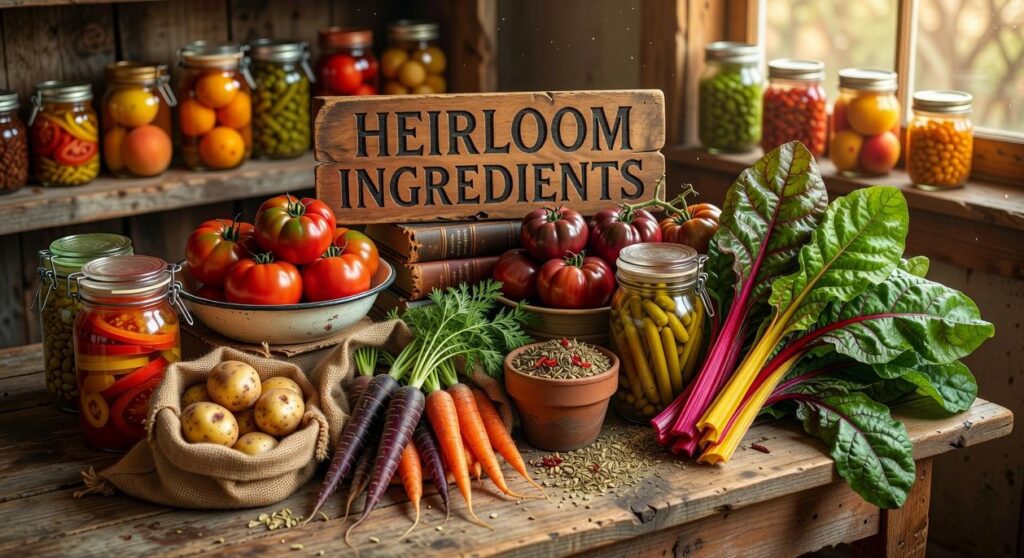
Curious about the latest culinary buzz, bold flavor concepts, and boundary-pushing fusion experiments shaping today’s food scene? This article dives straight into the ideas redefining modern kitchens—from global cuisine inspirations to inventive Fojato fusion creations that blend tradition with unexpected twists. Whether you’re looking to refresh your weekly menu or experiment with daring new tastes, you’ll find practical inspiration grounded in real-world kitchen experience.
We explore emerging movements like the artisanal ingredients revival, spotlight creative techniques that elevate everyday dishes, and share smart Garto kitchen hacks designed to maximize flavor without overcomplicating the process. Every insight is carefully researched, trend-aware, and rooted in a deep understanding of how flavors evolve across cultures.
If you want to stay ahead of what’s sizzling in contemporary cuisine while learning how to apply it in your own kitchen, you’re in the right place.
Beyond the Supermarket Shelf: How Ancient Ingredients Are Redefining Flavor
As diners increasingly seek authenticity and quality, the resurgence of artisanal ingredients not only elevates everyday meals but also provides the perfect opportunity to impress guests at your next gathering, making it an ideal complement to our Beginner’s Guide to Hosting a Themed Dinner Party.
For years, we were told convenience equals progress. Shelf life trumped soul. Uniform tomatoes, identical loaves, predictable sauces—efficient, yes, but unforgettable. The real rebellion isn’t molecular gastronomy or flashy plating. It’s the quiet return to depth.
The Flavor Reawakening
This artisanal ingredients revival challenges the idea that modern food is automatically better. Ancient grains like einkorn (an early wheat variety with a nutty bite) and heritage cacao deliver layered notes industrial hybrids bred out decades ago (efficiency has a flavor cost).
Some argue nostalgia clouds judgment—that heirloom varieties are romantic, not superior. But blind tastings routinely show higher flavor complexity in traditionally grown produce (University of California taste panel studies support this).
Complexity is the new luxury.
Fermented black garlic, stone-ground spices, raw blossom honey—each proves that when character returns, dishes stop whispering and start singing.
The Driving Force: Why We’re Craving a Return to Roots
Walk through any supermarket and you’ll see perfection—identical tomatoes, glossy apples, strawberries in December. But that polish came at a cost. Decades of mass-market hybridization (crossbreeding plants for traits like durability and uniform size) prioritized shelf life over flavor. A tomato bred to survive cross-country shipping often tastes like watery nostalgia. In response, small growers are betting on bold, imperfect produce that bruises easily but sings on the plate.
Consumers, meanwhile, want receipts. Not just price tags—stories. They’re asking: Which farm? What soil? Was it sprayed? This demand for traceability (a clear line of sight from seed to table) reflects a deeper craving for connection. Think farmers’ markets packed like opening night for a blockbuster—except the star is a carrot.
Chefs and bakers have become ingredient archaeologists, reviving einkorn wheat and heritage cacao, turning scarcity into desirability. Their menus spark artisanal ingredients revival, creating demand that can pull rare crops back from extinction.
THIS IS A TURNING POINT.
Some argue this is romanticism—mass production feeds billions efficiently. True. But speculation: over the next decade, we’ll likely see a hybrid model where technology supports biodiversity instead of flattening it. Another prediction: minimally processed foods (those altered as little as possible from their natural state) will dominate new product launches as shoppers rebel against ultra-processed fatigue. The pendulum is swinging back to flavor—with conviction.
Heirloom Heroes: Three Ingredients Changing the Culinary Game
For years, we were told that bigger, faster, and higher-yield meant better. In food, that logic gave us uniform tomatoes, ultra-refined flour, and neutral oils that behave—but rarely inspire. Yet the real flavor revolution is happening elsewhere.
Heritage Grains: Flavor Over Efficiency
Take einkorn, spelt, and Red Fife wheat. Unlike modern hybrid wheat bred for yield and shelf stability, these heritage grains (older, minimally altered grain varieties) offer nutty depth and complex sweetness. In artisan sourdough, einkorn creates a tender crumb and subtle honeyed aroma. Spelt pasta delivers a pleasantly chewy bite, while Red Fife pastries taste almost buttery on their own.
Some argue ancient grains are a romantic gimmick—harder to work with, less predictable, and often pricier. Fair. But flavor isn’t a gimmick. When flour actually tastes like something, you need less sugar, fewer additives, and far less culinary gymnastics (pro tip: hydrate spelt dough slightly more than modern wheat for better elasticity).
Heirloom Produce: Imperfect but Unforgettable
Brandywine tomatoes burst with acidity and sweetness; purple carrots bring peppery earthiness; white strawberries offer floral notes with low acidity. Compared to watery supermarket varieties bred for transport durability, these heirlooms are vibrant and moody.
Yes, they bruise easily. Yes, yields are inconsistent. But that unpredictability pushes chefs toward tighter, more seasonal menus. Creativity thrives under constraint—just ask any chef who’s built a dish around a tomato that tastes like July itself.
Artisanal Fats: The Flavor Carriers
Finally, pasture-raised lard, cold-pressed regional oils, and cultured butter remind us that fat is a flavor carrier (a substance that absorbs and distributes aromatic compounds). Processed vegetable oils may be neutral, but neutrality isn’t always noble. Cultured butter makes pastries shatteringly flaky; lard confit melts luxuriously; regional oils add terroir-driven nuance.
This artisanal ingredients revival isn’t nostalgia—it’s recalibration. And while some dismiss it as trend-chasing, the proof is on the plate. For a broader look at how this movement fits into the top food trends shaping modern kitchens in 2026, one thing is clear: flavor is winning again.
The Artisan’s Touch: How Technique Unlocks an Ingredient’s Soul*
Technique is the quiet force that determines whether an ingredient merely feeds you—or speaks to you*. Consider slow fermentation. In an industrial bakery, commercial yeast accelerates rise times to a few hours. In an artisan kitchen, wild cultures ferment dough for days. The difference? Time breaks down starches into sugars and amino acids, unlocking deeper flavor and better digestibility (a process called enzymatic activity, where natural enzymes transform compounds). Think supermarket white bread versus a crackling sourdough with notes of caramel and tang.
Side-by-side, the contrast is stark:
- Fast fermentation: predictable, efficient, uniform.
- Slow fermentation: complex, nuanced, alive.
The same A vs B story plays out in whole-ingredient utilization. Industrial systems trim away “extras.” Nose-to-tail and root-to-leaf cooking use bones for broth and beet greens for pesto, building layered flavors while reducing waste (and yes, saving money).
Low-and-slow processing follows suit. High-heat pasteurization extends shelf life but flattens delicate aromatics. Stone-grinding flour and cold-pressing oils preserve volatile compounds—the subtle scents that define character. Raw milk cheesemaking, when safely practiced, captures terroir (the environmental fingerprint of flavor).
Critics argue industrial methods ensure safety and affordability—and they’re right. But artisanal ingredients revival proves that patience often delivers depth machines simply can’t replicate.
Extraordinary flavor doesn’t begin with a complicated recipe; it starts with ingredients that carry memory, soil, and craft. If you’ve grown tired of supermarket tomatoes that taste like wet cardboard (we’ve all been there), you’re not alone. Mass-produced food prioritizes shelf life over soul, and that’s exactly why an artisanal ingredients revival matters.
In Portland’s Saturday Farmers Market, for example, millers still grind spelt on stone, preserving the wheat germ and its nutty aroma. Stone-ground simply means the grain is crushed between stones rather than industrial steel rollers, which can strip flavor and nutrients (Whole Grains Council). Likewise, cold-pressed olive oil—extracted without high heat—retains polyphenols, antioxidant compounds linked to heart health (Harvard Health).
So, start small. Swap all-purpose flour for stone-ground spelt in your next pancakes. Then, visit your local market with a mission: find one vegetable you’ve never cooked—maybe romanesco, that Fibonacci-spiraled brassica chefs adore.
To keep it practical, use this quick guide:
Ingredient | Upgrade | Flavor Shift
— | — | —
Flour | Stone-ground spelt | Toasty, complex
Tomatoes | Heirloom, vine-ripened | Sweet-tart depth
Ultimately, ingredients deliver flavor, stronger nutrition, and a tangible link to food heritage. That’s how you bring the artisan pantry home.
Bring the Flavor Revolution Into Your Kitchen
You came here looking for fresh culinary inspiration, bold flavor concepts, and creative ways to elevate your cooking. Now you’ve seen how global cuisine influences, Fojato fusion experiments, and smart kitchen hacks can transform everyday meals into unforgettable experiences.
If you’ve been stuck making the same predictable dishes, you’re not alone. The real frustration isn’t lack of effort — it’s lack of exciting, practical ideas that actually work. That’s exactly why embracing trends like artisanal ingredients revival and boundary-pushing flavor pairings matters. They reignite creativity and turn ordinary ingredients into standout plates.
Now it’s your move. Start experimenting with one new fusion concept this week. Swap a basic spice for a globally inspired blend. Try one unexpected pairing. Small shifts create big flavor results.
Ready to take your cooking to the next level? Explore more flavor-forward ideas, test a new Fojato fusion tonight, and experience why food lovers are calling this approach a game-changer. Your kitchen deserves more excitement — start creating it now.