
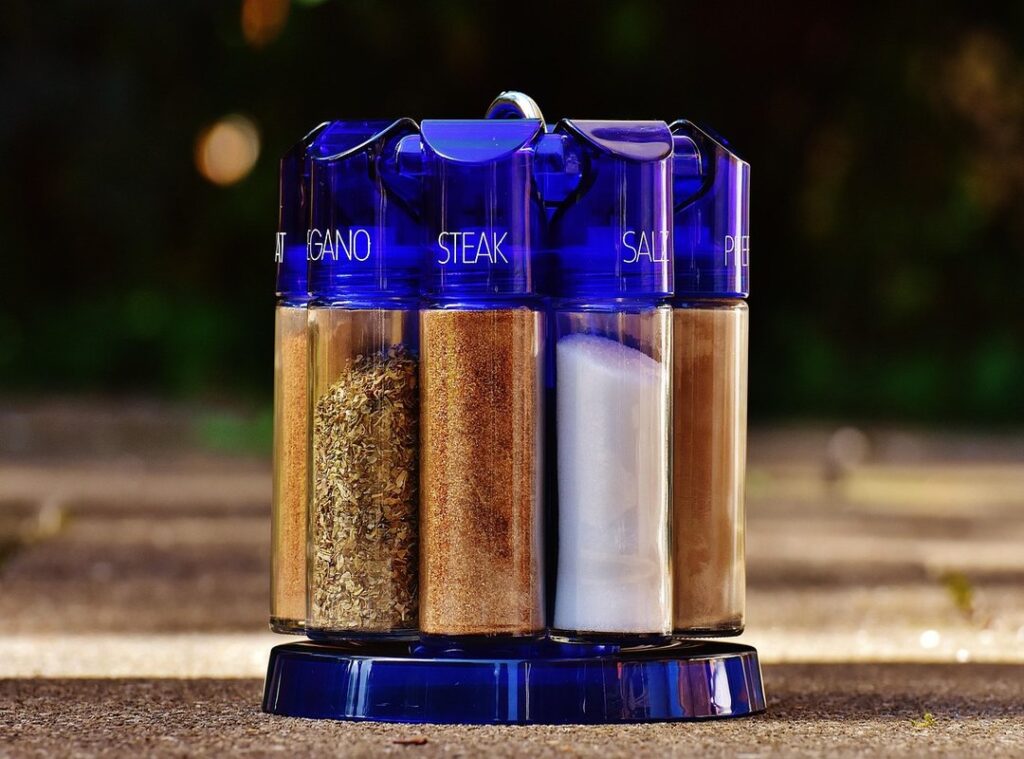
Ever cooked a meal that looked like it belonged on the cover of a magazine but tasted like cardboard? Yeah, me too. It’s frustrating when all the effort you put into cooking ends in disappointment.
But here’s the magic trick: spices raise dishes. I’m not just talking about adding some salt and pepper. I mean a full-on transformation that takes your meal from bland to brilliant.
I’ve been obsessed with food experiments for years (ask my friends who suffered through my early attempts). But after diving deep into flavor science, I figured out how spices can turn any dish into a masterpiece. This isn’t just another list of spices you’ll forget to buy.
It’s a new way to think about flavor. By the end of this, you’ll feel confident to improvise in the kitchen, crafting meals that don’t just satisfy but amaze. Ready to spice things up?
Let’s get started.
Why Spices Work: The Simple Science Behind Big Flavor
Ever wonder why food tastes so bland when you have a cold? It’s because flavor isn’t just about taste; it’s a mix of taste and aroma. Your tongue handles the taste, but your nose does the heavy lifting with aroma.
Without both, you miss out on the full experience. Spices play into this by being packed with aromatic compounds that heat activates. These aromas travel up to your nose, creating a richer flavor perception.
Let’s talk about how spices raise dishes. They have three main roles that transform your meals. First, they add new flavors.
Think about cumin in chili. It brings a warm, earthy depth that you can’t get from the meat alone. Or consider smoked paprika, which gives chicken a barbecue vibe without needing a grill.
It’s like magic.
Second, spices boost existing flavors. A sprinkle of nutmeg in a cream sauce can make the cheese and dairy taste more pronounced. It’s subtle but effective.
You might not notice it directly, but you’ll feel it.
Finally, spices create balance. Imagine a fatty pork dish. A dash of cayenne pepper can cut through that richness, making the dish feel lighter and more balanced.
It’s like a culinary seesaw. You don’t want to tip too far in one direction.
Curious about mixing things up? Check out these Unusual Flavor Combinations To Try. They might just inspire your next kitchen experiment.
Pro tip: Don’t be afraid to experiment. The right spice can transform a dish from ordinary to extraordinary. If you’re not using spices, you’re missing out on a whole world of flavor.
And honestly, who wants that?
The Chef’s Toolkit: Spice Up Your Cooking
When it comes to cooking, there’s one technique that transforms everything: blooming spices. What does that mean? Simple.
You toast spices briefly in hot oil or a dry pan. This wakes up their important oils, making them sing in your dish. Trust me, once you start doing this, you’ll wonder how you ever cooked without it.
Let’s break it down. For whole seeds like cumin or coriander, dry-toast them until fragrant. It’s a game-changer.
You might think, why bother? Because it’s the secret to flavor depth. On the other hand, ground spices need a bit of fat.
Throw them into hot oil for 30-60 seconds. This prevents them from tasting raw and dull.
Now, timing is everything. When to add spices is key. Here’s how I see it.
There are three categories. First, Early Spices. These are your hardy, whole spices like cloves and cinnamon sticks. They thrive in long cooking times.
Add them early to infuse deep flavor in stews.
Then, we have Middle Spices. Ground spices like chili powder and turmeric fit here. Add them after your onions but before any liquids. Why?
To avoid scorching. It’s about building layers, not burning them.
Finally, there are Finishing Spices. Delicate ones that provide a bright pop at the end. Think freshly cracked black pepper or a sprinkle of sumac. They’re the final touch that makes your dish memorable.
To fully appreciate how spices raise dishes, try experimenting with these techniques. Cooking isn’t just about following recipes. It’s about understanding these small but mighty details.
So, fire up your pan, grab your spices, and see the magic unfold in your kitchen. Start with blooming. Your taste buds will thank you.
Building Flavor: Layer and Pair Spices Like a Pro
Let’s talk spices. You can’t just throw them in and hope for magic. Building flavor is more like creating music.

You’ve got your base notes, middles, and highs. Start with a base of complementary spices. Think of them as your band.
First, grab some cumin and coriander. This duo is your workhorse. Cumin lays down a deep, savory beat while coriander adds a bright, citrusy top.
Perfect for tacos, curries, and roasted veggies. Doesn’t that sound good? Trust me, it is.
Now, let’s move to warm spices, like cinnamon and clove. They’re not just for desserts. Add them to savory dishes like tomato sauce or beef stew.
Instant depth. It’s like adding a layer of cozy to your meal. Your taste buds will thank you.
Here’s a tip: start small. Master spice pairs before jumping into complex blends. Less is often more.
It’s easier to ruin a dish with too many flavors than with too few. Don’t be that person.
Ever thought about how spices raise dishes? It’s all about pairing. Group spices by profiles.
Earthy, warm, pungent, bright. Keep it simple at first. Dive into creating bold new flavor experiences.
It’s your gateway to a world of taste.
Take it one step at a time. Soon you’ll be layering flavors like a pro, making dishes that sing (and maybe even dance).
A Trip for Your Taste Buds: Spice Up Your Cooking
Spices can transform a dish from ordinary to unforgettable. Ever wondered how a few spices define entire cuisines? Let’s dive in.
First, Classic Italian. It’s all about the trio: garlic powder, oregano, and red pepper flakes. Simple, right?
But these three create a savory, herbal, slightly spicy base that screams Italy. Think of those rich pasta sauces and roasted veggies.
Next up, we have Lively Mexican. Ancho chili powder, cumin, and Mexican oregano come together for that smoky-savory goodness. This combo is the heart of authentic taco seasoning or mole sauce.
Lastly, there’s Aromatic Indian (Garam Masala). This blend of cardamom, cinnamon, and cloves is a game changer. It’s a finishing spice that adds a complex fragrance to dishes.
It’s like a fiesta in your mouth.
Imagine the warm, inviting aroma wafting through your kitchen.
Why not mix things up? Add smoked paprika to your Italian tomato sauce for a new twist. Spices raise dishes, making them memorable.
So, what’s stopping you from experimenting? Get creative and let these global spice profiles inspire your next culinary adventure. Your taste buds will thank you.
Spice Up Your Meals
Boring meals are over. With a few techniques like blooming and layering, you hold the key to incredible flavor. No longer just recipes, you’ve got a real toolkit now.
How do spices raise dishes? You already know. This week, try one new spice pairing or technique from this guide in a familiar dish.
Experience the change firsthand. Need proof? You’ll taste it.
Your culinary world just expanded. Feeling inspired yet? Dive in, discover, and make meals exciting again.
Stop settling for bland. Your flavor adventure starts now. Ready to raise your dishes?
Start cooking today!
 Founder & Culinary Visionary
There is a specific skill involved in explaining something clearly — one that is completely separate from actually knowing the subject. Ozirian Zyphoris has both. They has spent years working with culinary buzz in a hands-on capacity, and an equal amount of time figuring out how to translate that experience into writing that people with different backgrounds can actually absorb and use.
Ozirian tends to approach complex subjects — Culinary Buzz, Garto Kitchen Hacks, Global Cuisine Inspirations being good examples — by starting with what the reader already knows, then building outward from there rather than dropping them in the deep end. It sounds like a small thing. In practice it makes a significant difference in whether someone finishes the article or abandons it halfway through. They is also good at knowing when to stop — a surprisingly underrated skill. Some writers bury useful information under so many caveats and qualifications that the point disappears. Ozirian knows where the point is and gets there without too many detours.
The practical effect of all this is that people who read Ozirian's work tend to come away actually capable of doing something with it. Not just vaguely informed — actually capable. For a writer working in culinary buzz, that is probably the best possible outcome, and it's the standard Ozirian holds they's own work to.
Founder & Culinary Visionary
There is a specific skill involved in explaining something clearly — one that is completely separate from actually knowing the subject. Ozirian Zyphoris has both. They has spent years working with culinary buzz in a hands-on capacity, and an equal amount of time figuring out how to translate that experience into writing that people with different backgrounds can actually absorb and use.
Ozirian tends to approach complex subjects — Culinary Buzz, Garto Kitchen Hacks, Global Cuisine Inspirations being good examples — by starting with what the reader already knows, then building outward from there rather than dropping them in the deep end. It sounds like a small thing. In practice it makes a significant difference in whether someone finishes the article or abandons it halfway through. They is also good at knowing when to stop — a surprisingly underrated skill. Some writers bury useful information under so many caveats and qualifications that the point disappears. Ozirian knows where the point is and gets there without too many detours.
The practical effect of all this is that people who read Ozirian's work tend to come away actually capable of doing something with it. Not just vaguely informed — actually capable. For a writer working in culinary buzz, that is probably the best possible outcome, and it's the standard Ozirian holds they's own work to.