
If you’re searching for fresh culinary inspiration, inventive flavor pairings, and practical kitchen hacks that actually work, you’re in the right place. This article dives into today’s most exciting culinary buzz—from global cuisine inspirations to boundary-pushing fusion experiments—while keeping everything grounded in techniques you can use at home.
We explore how unexpected ingredients come together to create balanced flavor profiles, why certain cultural combinations work so well, and how small adjustments in seasoning, texture, and temperature can completely transform a dish. Whether you’re experimenting with bold Fojato fusion ideas or simply looking to elevate your weeknight cooking, you’ll find concepts that are both creative and achievable.
Our insights are shaped by hands-on recipe testing, deep exploration of international food traditions, and continuous experimentation in real kitchens. The goal is simple: give you flavorful ideas, practical strategies, and the confidence to turn inspiration into unforgettable meals.
Great dishes aren’t accidents; they’re engineered. When a meal tastes flat, it’s usually missing contrast—salt without acid, richness without crunch. First, learn the five basic tastes: sweet, salty, sour, bitter, and umami (savory depth found in foods like mushrooms and aged cheese). Next, build balanced flavor profiles by layering them deliberately. For example, add a squeeze of lemon to brighten soup or a pinch of salt to intensify chocolate. However, don’t overcomplicate it; taste as you go and adjust in small increments. Ultimately, harmony beats excess (yes, even with garlic). Trust your palate; it rarely lies when trained patiently.
The Five Pillars of Taste: Your Flavor Foundation
To elevate your cooking and truly master the art of balanced flavors, consider experimenting with unique pairings, such as those found in our article on Exploring Sweet and Savory Fusion Combinations, where contrasting elements create a delightful harmony on the palate.
Great cooking isn’t luck. It’s understanding the five core tastes and how they interact.
Sweetness isn’t just for dessert. A touch of honey in a vinaigrette or caramelized onions in a burger balances bitterness and acidity while deepening savory notes. (Think balsamic glaze on roasted veggies.)
Sourness (Acidity) is the great brightener. Lemon juice, vinegar, and cultured dairy cut through fat, preventing dishes from feeling heavy. A squeeze of lime on tacos makes flavors POP because acid heightens aroma and contrast.
Saltiness is the universal enhancer. Salt suppresses bitterness and amplifies sweetness and umami, making food taste more like itself. That’s why unsalted tomato sauce tastes flat. Pro tip: season in layers, not all at once.
Bitterness adds complexity. Dark chocolate, coffee, kale, and citrus zest prevent dishes from becoming one-note. Without a hint of bitter, sweet and rich foods can feel cloying (like frosting with no cocoa depth).
Umami, the savory soul, creates mouth-watering fullness. Found in mushrooms, soy sauce, aged cheeses, and seared meats, it signals protein richness and satisfaction.
Use balanced flavor profiles in the section once exactly as it is given
• CAPS
•
When a dish tastes “off,” ask: Which pillar is missing?
The Art of Synergy: How Tastes Interact and Create Balance
Cooking is really about managing relationships. The sweet and sour axis is the classic push and pull found in vinaigrettes, barbecue sauces, and even lemonade. When you combine three parts oil with one part vinegar and a hint of sweetness, you create tension that keeps each bite lively. Too much acid, and it tastes sharp; too much sweet, and it falls flat. Aim for balanced flavor profiles that make your palate curious.
Bitterness scares people, but it is easy to tame. Fat coats the tongue, physically softening harsh notes, while salt chemically suppresses our perception of bitter compounds according to sensory research. Toss arugula with olive oil and flaky salt, and suddenly it tastes rounder and greener, not aggressive.
Salt and acid also act as modulators, not just seasonings. A pinch of salt on watermelon heightens sweetness, while a squeeze of lime on grilled chicken boosts savory depth. Think of it like turning up the contrast on a photo; the image snaps into focus.
To build umami, layer multiple sources:
- Sear meat deeply for browned richness.
- Stir in tomato paste for concentrated savoriness.
- Finish with grated parmesan for salty complexity.
A classic bolognese uses all three, creating depth worthy of Ratatouille level kitchen magic. Pro tip: taste at every stage, adjusting salt and acid gradually so flavors harmonize, not compete.
Your goal is synergy, where no single taste dominates but each supports the others beautifully. Trust your palate and adjust.
Beyond the Tongue: The Critical Role of Aroma and Texture
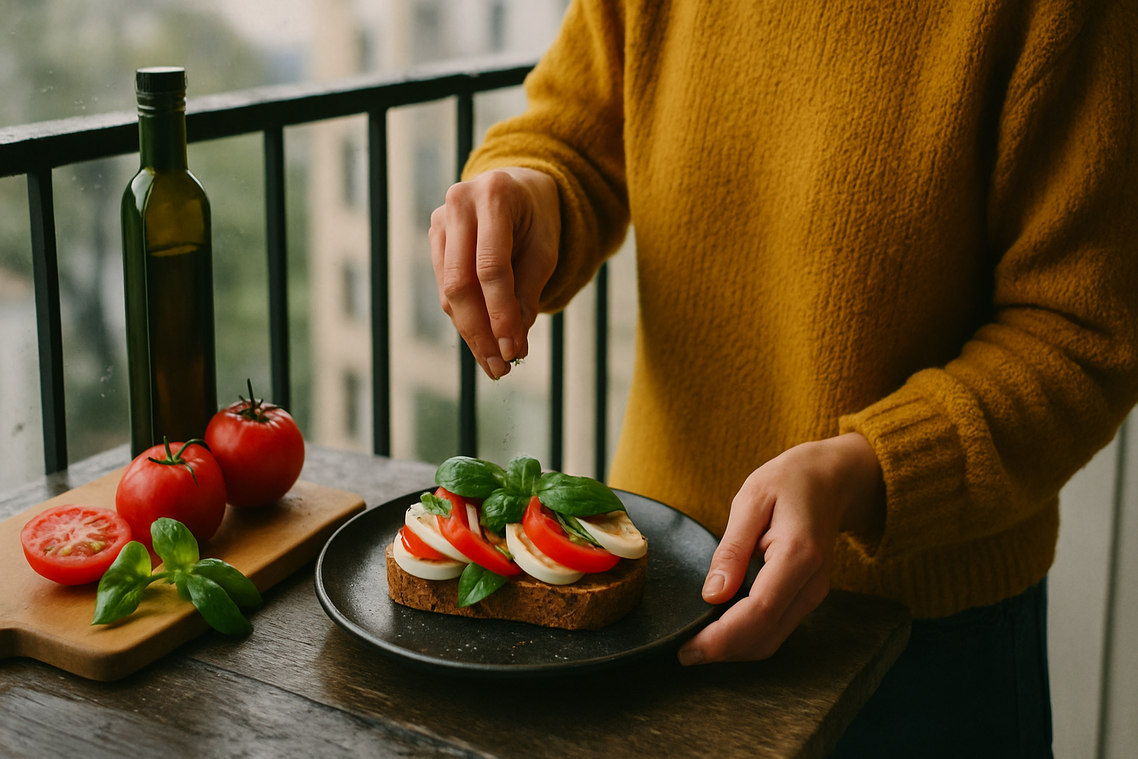
First, let’s challenge a common belief: taste buds run the show. In reality, up to 80% of what we call “taste” is smell, according to Harvard Health. Aroma is the prelude—the invisible overture before the first bite. When garlic hits hot oil or onions slowly brown, volatile compounds (aromatic molecules that evaporate easily) rise and prime your brain for flavor. Then there’s the Maillard reaction—the chemical browning that occurs when proteins and sugars meet heat—responsible for the savory depth of a seared steak or toasted bread. Caramelization, by contrast, is sugar breaking down under heat, creating nutty sweetness.
However, aroma alone isn’t enough. A dish with one texture falls flat. Contrast is the secret weapon competitors often overlook. Creamy soup crowned with crunchy croutons. Tender fish beneath shatteringly crisp skin. Smooth yogurt tangled with granola. Texture creates momentum (and keeps boredom off the plate).
Temperature plays its part too. Warm brownie, cold ice cream—thermal contrast heightens perception and delivers excitement.
And piquancy? Not a taste, but a pain response triggered by capsaicin. That controlled burn cuts through richness, sharpening balanced flavor profiles.
For more on layered contrasts, see exploring sweet and savory fusion combinations: https://fojatosgarto.com/exploring-sweet-and-savory-fusion-combinations/.
Your Kitchen Toolkit: A Flavor-Balancing Checklist
Fix This, Not That: A vs. B Flavor Moves
If your dish tastes FLAT or DULL, think Salt vs. Acid. Salt amplifies what’s already there (like turning up the volume), while acid brightens and sharpens. A pinch of kosher salt vs. a squeeze of lemon—try both, but start small.
If it’s TOO RICH or HEAVY, don’t add more seasoning—add contrast. Creamy pasta (A) becomes cloying; the same pasta with a splash of vinegar (B) suddenly feels lighter. Acid cuts fat by creating sensory balance (Harold McGee, On Food and Cooking).
Too BITTER or SHARP? Sugar vs. Fat. Honey smooths edges; olive oil rounds them out. (Think dark chocolate: bitter alone, luscious with cream.)
If flavors feel one-note, compare Umami vs. Bitter. Soy sauce deepens; fresh herbs lift. That’s how chefs build balanced flavor profiles.
Good but boring? Texture vs. Aroma. Toasted nuts add crunch; fresh parsley adds lift. Pro tip: finish with something fresh right before serving.
From Following Recipes to Creating Flavor
At first, you followed recipes to the letter. But now, you understand the why behind every pinch and splash. As one chef told me, “If it tastes flat, it’s not magic you need—it’s contrast.” In other words, that “missing something” is usually acidity, texture, or a deeper umami base.
So, instead of guessing, pause and taste. Ask yourself, “Is this bright enough? Does it need crunch?” After all, great dishes rely on balanced flavor profiles layered with aroma and texture. This week, cook a favorite meal—and tweak it boldly. That’s how intuition begins.
Elevate Every Dish with Confidence
You came here looking for fresh culinary inspiration, smarter kitchen strategies, and creative ways to bring global flavors into your everyday cooking. Now you have the tools, techniques, and flavor concepts to do exactly that.
The truth is, bland meals and repetitive recipes drain the joy out of cooking. When your dishes lack depth or harmony, it’s frustrating—for you and everyone at the table. By focusing on balanced flavor profiles, experimenting with Fojato fusion ideas, and applying smart Garto kitchen hacks, you turn ordinary ingredients into unforgettable experiences.
Now it’s time to take action. Start experimenting with one new global inspiration this week. Test a bold fusion twist. Refine your seasoning until every bite feels intentional.
If you’re ready to stop serving predictable meals and start creating flavor-packed dishes with confidence, explore more of our proven concepts and crowd-favorite kitchen strategies today. Join thousands of flavor enthusiasts who trust us for cutting-edge culinary buzz and practical techniques—and transform your kitchen into a space where creativity and taste thrive.