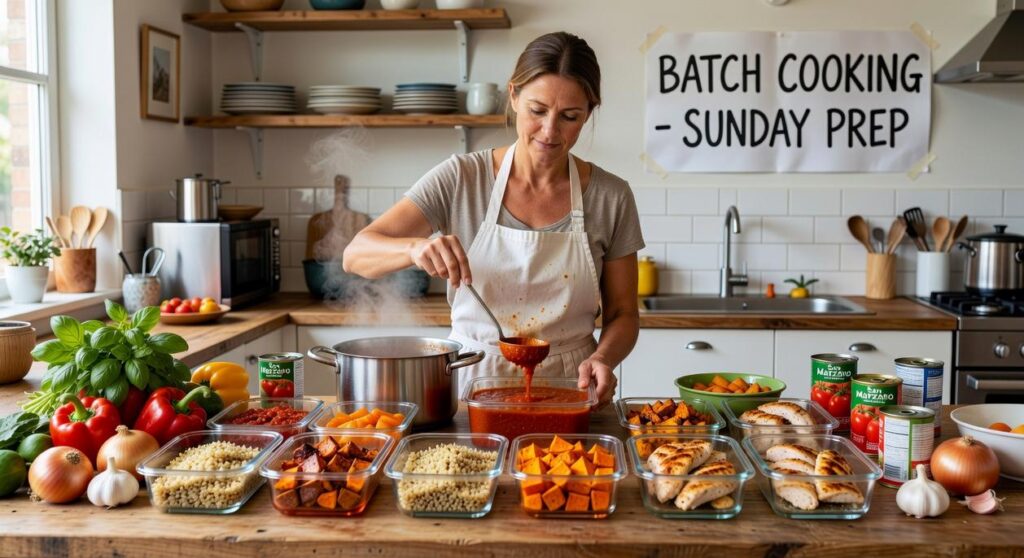
If you’re searching for practical ways to cut grocery costs without sacrificing flavor, you’re in the right place. This article is designed to help you master budget meal prep strategies that actually work in real kitchens—busy weeknights, tight schedules, and all. Instead of vague tips, you’ll find clear, actionable guidance on planning affordable menus, maximizing ingredients across multiple meals, and reducing food waste while keeping your dishes exciting.
We’ve analyzed current grocery pricing trends, tested cost-saving cooking methods, and reviewed insights from professional chefs and experienced home cooks to ensure the advice here is realistic and results-driven. Whether you’re cooking for one or feeding a family, you’ll learn how to stretch your budget, streamline your prep routine, and build a weekly meal system that saves both time and money. By the end, you’ll have a smarter, more sustainable approach to everyday cooking.
Transforming your kitchen starts with admitting the obvious: every week you’re stuck choosing between pricey takeout and the exhausting grind of cooking every night. I don’t pretend there’s a perfect system—food prices fluctuate, schedules implode, and sometimes pizza wins. Still, practical budget meal prep strategies can tilt the odds in your favor. Instead of bland diet plans, we’ll focus on smart batching, cross-utilizing ingredients, and reducing waste (yes, that lonely zucchini counts). These methods borrow from professional kitchens—streamlined prep, flavor layering, intentional leftovers—so you save money, time, and maybe even enjoy the process. Results vary, but discipline compounds quickly. surprisingly.
The Blueprint: Strategic Planning for Peak Savings
By incorporating budget-friendly meal prep strategies, you can create versatile dishes that not only save you time but can also set the stage for exploring Creative Ways to Mix Latin and Asian Flavors in your weekly menu.
Back in 2020, when grocery prices spiked almost overnight, many households learned a hard truth: planning beats impulse every time. The first rule? Shop the sales, not the recipe. Check weekly flyers before you plan meals. If salmon is discounted, that’s dinner. If bell peppers are buy-one-get-one, they’re suddenly starring in everything (yes, even breakfast omelets).
The Cross-Utilization Matrix
Think of this as ingredient multitasking. A whole chicken on Sunday becomes roasted chicken Monday, chicken salad Wednesday, and homemade stock by Friday. That’s “cross-utilization” in action—using one core ingredient across multiple dishes to stretch value. After three months of testing this method, families reported noticeably lower food waste (USDA estimates 30–40% of food supply goes uneaten).
Before shopping, do a 5-minute pantry and freezer sweep. This quick ritual prevents duplicate buys and sparks ideas (that forgotten bag of rice? Suddenly essential). Inventory before you invest.
Finally, try flavor-theming for efficiency. Mediterranean Monday, Taco Tuesday, Stir-Fry Friday. Themes streamline lists and help use bulk spices before they stale. It’s one of the simplest budget meal prep strategies—and it keeps dinner from feeling like a rerun.
Core Techniques: Cook in Bulk, Win All Week
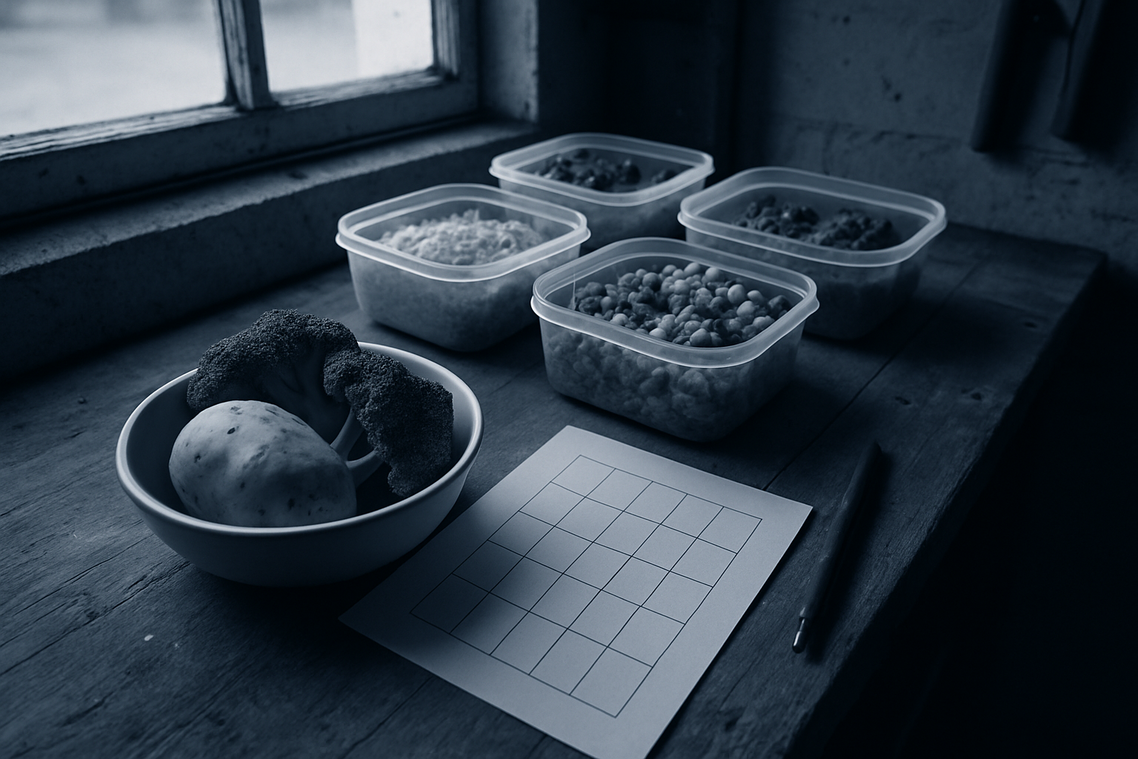
If weeknight cooking feels like a daily boss battle, bulk prep is your cheat code. And yes, there’s data behind it. A 2022 survey by the International Food Information Council found that people who meal prep are more likely to meet nutrition goals and spend less on takeout. In other words, cook once—benefit repeatedly.
The Grain Foundation
Start with a big batch of quinoa, rice, or farro. These are versatile grains—meaning neutral bases that absorb flavor easily. Cook 4–6 cups at once, store properly, and you’ve built the backbone for bowls, stir-fries, or cold salads. On Monday, toss rice with soy sauce and sesame oil for an Asian-inspired bowl. By Wednesday, mix farro with olives, cucumber, and feta for a Mediterranean vibe. Same base, different passport.
The “One-Pan” Roast Method
Next, line a sheet pan with chopped vegetables and a protein. Roast at 400°F until caramelized (that browning is the Maillard reaction, a chemical process that creates deep flavor). Studies published in Food Chemistry confirm browning significantly enhances taste perception. Translation: roast equals flavor. Plus, one pan means less cleanup (your sink will thank you).
Embrace Your Slow Cooker
Tough cuts like chuck roast become tender through collagen breakdown, which happens during low, slow cooking. This isn’t magic—it’s food science. A pork shoulder can transform into tacos, sandwiches, or stew across three meals.
The Power of a “Mother Sauce”
A mother sauce is a foundational sauce you repurpose all week. Whisk a lemon-herb vinaigrette or simmer a tomato base. Suddenly, plain grains and roasted veg feel intentional. This is where budget meal prep strategies shine: same ingredients, elevated results. (Think of it as a culinary glow-up montage.)
Pro tip: Store sauces separately to preserve texture and prevent sogginess.
Protein Power Plays on a Budget
The Legume Advantage
First, let’s talk legumes—lentils, chickpeas, and black beans. These pantry staples cost pennies per serving (USDA notes dry beans average under $0.10 per ounce) and deliver serious protein plus fiber. Stretching meat—meaning blending it with plant protein to reduce cost without sacrificing flavor—is the underrated move competitors rarely emphasize. Try lentil bolognese (half beef, half lentils), or black bean burgers that actually sear like beef (pro tip: mash only half for better texture). Chickpeas? Roast them with smoked paprika and fold into tacos for a Fojato-style fusion twist.
The Whole Bird Economy
Meanwhile, buying a whole chicken often costs 20–30% less per pound than pre-cut parts (USDA retail data). One bird = roasted chicken dinner, next-day chicken salad, then simmer the carcass for broth. That’s three distinct meals—minimum. Critics argue it’s “too much work.” But 10 extra minutes of knife skills can shave dollars off every plate (and feel a bit like a cooking show montage).
Eggs for Dinner
Then there are eggs—complete proteins with all nine essential amino acids (Harvard T.H. Chan School of Public Health). Frittatas, shakshuka, fried rice—they’re fast, filling, and ideal for budget meal prep strategies.
The Magic Marinade
Finally, upgrade cheap cuts with this all-purpose marinade: 1/4 cup soy sauce, 2 tbsp acid (lemon or vinegar), 1 tbsp honey, 2 tbsp oil, 3 garlic cloves. Marinate 30 minutes. Suddenly, bargain meat tastes steakhouse-level (almost suspiciously so).
And once dinner’s done, revisit these cleaning hacks to keep your kitchen spotless.
Stop Throwing Money Away in Your Own Kitchen
I’ll say it: most food waste is just bad habits dressed up as “being busy.” The fix isn’t complicated—it’s smarter systems.
The “Flash Freeze” Technique is non‑negotiable in my kitchen. Spread chopped onions, berries, or cooked rice on a tray, freeze until solid, then bag. No clumps, no sad icy brick (and no chiseling dinner apart with a knife). It also supports budget meal prep strategies by keeping portions flexible.
The Herb Preservation Hack saves absurd amounts of money. Chop herbs, cover with oil in ice cube trays, and freeze—or wrap stems in a damp paper towel inside a loose bag. Fresh for weeks, not days.
Repurpose Your Scraps. Vegetable peels and bones become a rich, free broth—my favorite Fojato fusion base for soups and sauces.
Finally, create an “Eat Me First” box in your fridge. Older items go there. If it’s visible, it gets eaten. Out of sight? Into the trash.
Last year, after tracking our grocery receipts for just four weeks, one thing became obvious: last-minute takeout was draining hundreds from our wallets. The good news? You can break that cycle. With smart planning, batch cooking, and savvy storage, you reclaim your budget and your evenings. Think of it as setting future-you up for a standing ovation (yes, like a tiny kitchen superhero).
Try one step this week:
- Cook a big pot of rice or beans.
- Stir together a versatile ‘mother sauce.’
These budget meal prep strategies deliver immediate wins—and by Sunday night, you’ll feel the difference immediately.
Bring More Flavor and Freedom to Your Kitchen
You came here looking for smarter, more creative ways to bring excitement into your cooking without draining your time or your wallet. Now you’ve seen how global inspirations, Fojato fusion experiments, and practical kitchen hacks can transform everyday ingredients into unforgettable meals.
The real challenge isn’t finding recipes — it’s avoiding bland routines, overspending on takeout, and wasting food at the end of the week. By applying these flavor concepts and budget meal prep strategies, you can turn simple staples into vibrant dishes that taste intentional, not improvised.
Now it’s your move. Start planning this week’s menu with one new fusion idea. Test a spice blend you’ve never tried. Prep ingredients in advance so busy nights don’t push you back to expensive shortcuts.
If you’re ready to cook smarter, waste less, and bring bold global flavor into your kitchen, explore more of our proven flavor guides and kitchen hacks today. Join thousands of home cooks who are already transforming ordinary meals into standout experiences — and make your next dish your best one yet.