Great food deserves to be seen the way it tastes—vibrant, textured, and impossible to ignore. If you’re here, you’re likely looking to master food photography basics so your dishes look just as stunning on camera as they do on the plate. Whether you’re capturing global cuisine experiments, bold fusion creations, or simple kitchen wins, understanding the fundamentals can instantly elevate your visuals.
This article is designed to guide you through the core techniques that make food photography stand out—lighting, composition, color balance, and styling—so you can create scroll-stopping images with confidence. We’ve studied proven visual strategies used by top culinary creators and analyzed what consistently performs across modern food platforms.
By the end, you’ll know exactly how to frame, light, and present your dishes to highlight flavor, texture, and mood—turning everyday meals into captivating visual stories.
Ever plated a meal only to watch your camera turn it into a beige blur? I have—and it’s frustrating. This guide cuts through the guesswork and teaches food photography basics in plain English. No fancy gear required.
Here’s what actually matters:
- Light: Natural window light beats harsh overheads every time.
- Composition: Use the rule of thirds (yes, like Instagram influencers do).
- Styling: Garnish with intention, not chaos.
Some argue great photos need cameras. I disagree. Your phone is enough if you understand shadows, angles, and color contrast. Master these fundamentals, and your dishes will look as good as they taste.
Mastering the Most Important Ingredient: Light
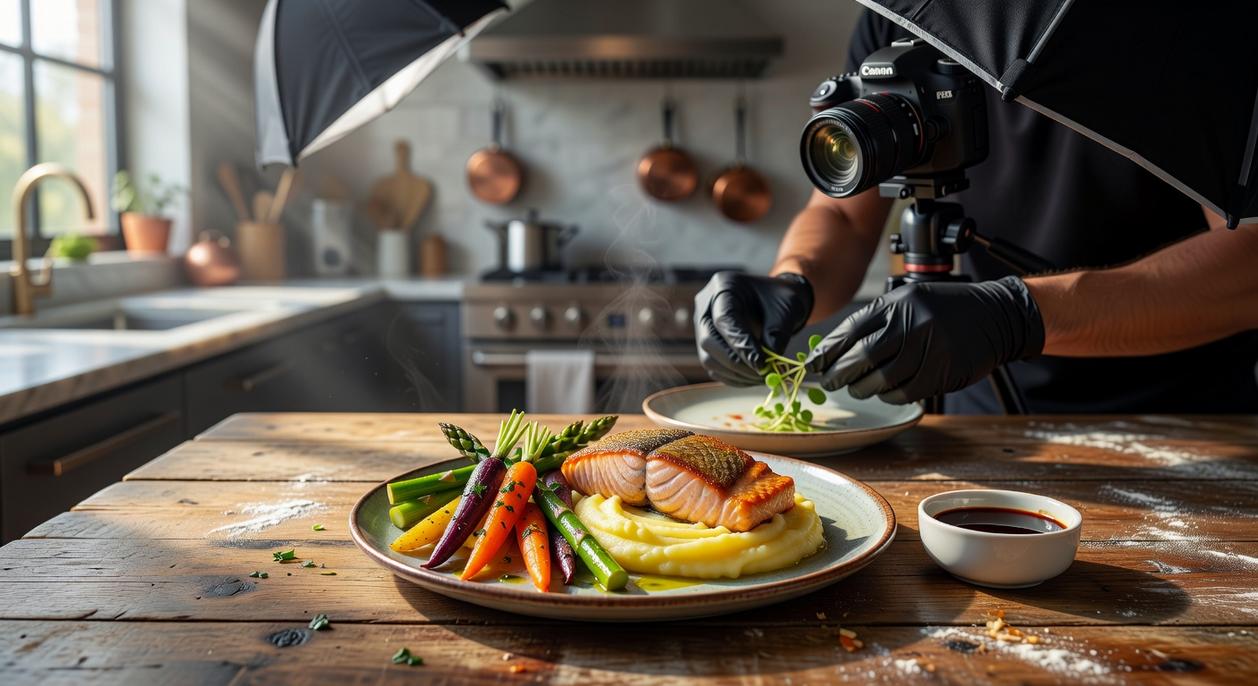
Light is not just a technical detail; it is the difference between a dish that looks edible and one that looks IRRESISTIBLE. Studies in visual perception show that humans associate soft, directional light with freshness and quality (Journal of Vision, 2018). That’s why the golden rule exists: natural window light consistently produces more appealing food images than artificial bulbs.
Place your setup beside a window and turn off overhead kitchen lights. Mixed lighting creates uneven color temperatures, which cameras struggle to balance, resulting in harsh yellow tones and muddy shadows. Your built-in flash? Avoid it at all costs. Direct flash flattens texture, and texture is what makes crispy look crispy.
Side-lighting adds depth by emphasizing highlights and shadows, a technique widely recommended in food photography basics. Backlighting, meanwhile, creates a glow around steam or translucent ingredients—think pasta rising like a cinematic hero shot (yes, very Chef’s Table).
Pro tip: use a white foam board to bounce light into dark areas. This reflector can increase shadow detail without equipment.
- Window light first
- No overheads
- Bounce, don’t blast
Some argue studio lights are more consistent. True. But natural light remains accessible and forgiving.
Arranging Your Plate: The Art of Food Composition
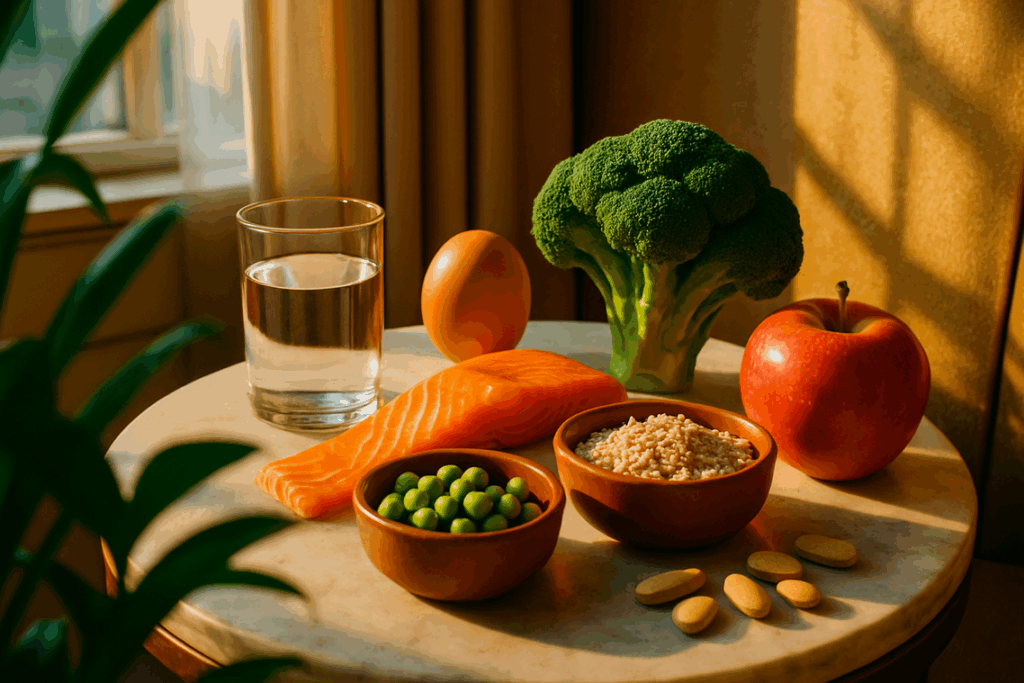
To make your food photos even more appealing, consider incorporating some delicious and nutritious ingredients, which you can discover in our article on Healthy Food Hacks Ontpdiet.
Great plating isn’t random—it’s structured creativity. Start with the Rule of Thirds: imagine a 3×3 grid over your frame and position your main dish where the lines intersect. This simple compositional guideline (a staple of food photography basics) instantly creates balance and movement. Instead of centering a steak dead in the middle, shift it slightly and let the sides support it. The benefit? Your image feels intentional, not accidental (like a movie still rather than a security camera shot).
Next, choose your angle with purpose. Overhead works beautifully for flat foods like pizza or smoothie bowls because it highlights patterns and symmetry. The 45-degree angle mirrors how we naturally see a plate while seated—perfect for pasta or plated entrées. Straight-on emphasizes height, making burgers or pancake stacks look dramatic and indulgent. Why does this matter? Because angle shapes appetite.
Don’t underestimate negative space. Leaving breathing room around your dish isolates it as the star. Negative space creates focus and elegance, especially in minimalist setups. A cluttered frame competes for attention; a clean one commands it.
Finally, build visual stories with layers and lines. A folded napkin, a diagonally placed fork, or a sprinkle of herbs can guide the viewer’s eye. These elements aren’t decoration—they’re direction. Leading lines subtly pull attention to your hero dish.
Pro tip: Use contrasting colors (bright basil on red sauce) to amplify depth and make textures pop. Thoughtful composition turns an ordinary plate into a visual feast.
Beyond the Plate: Styling and Props that Pop
Great food styling starts with restraint. Less is more isn’t just a mantra—it’s a visual strategy. When the plate is crowded with props, the eye gets confused (and confused eyes don’t feel hungry). Think of props as backup dancers: they enhance the star but never steal the spotlight.
Choosing Complementary Props
Select items that support the dish’s narrative:
- Rustic wooden boards for crusty sourdough
- Matte ceramic bowls for vibrant soups
- Neutral linen napkins for soft texture
- Simple, polished cutlery that reflects light subtly
These details aren’t random. Wood adds warmth, ceramics diffuse glare, and linen introduces movement—benefits that elevate texture and color without distraction.
Some argue that elaborate setups attract more attention. Occasionally, yes. But bold props can overpower delicate dishes. A minimalist approach ensures the food remains the hero (as it should be).
Backgrounds Matter
Dark slate, weathered wood, or soft gray backdrops create contrast that makes ingredients pop. This aligns with food photography basics: balance light, texture, and negative space to guide the viewer’s eye.
The Final Touch
Add freshness with intention:
- A sprinkle of flaky salt
- Torn herbs
- A light olive oil drizzle
These finishing elements signal flavor and care. If you’re still refining your plating instincts, explore how to build confidence as a home cook for practical kitchen wins.
Simple Gear, Stunning Shots: Camera and Phone Tips
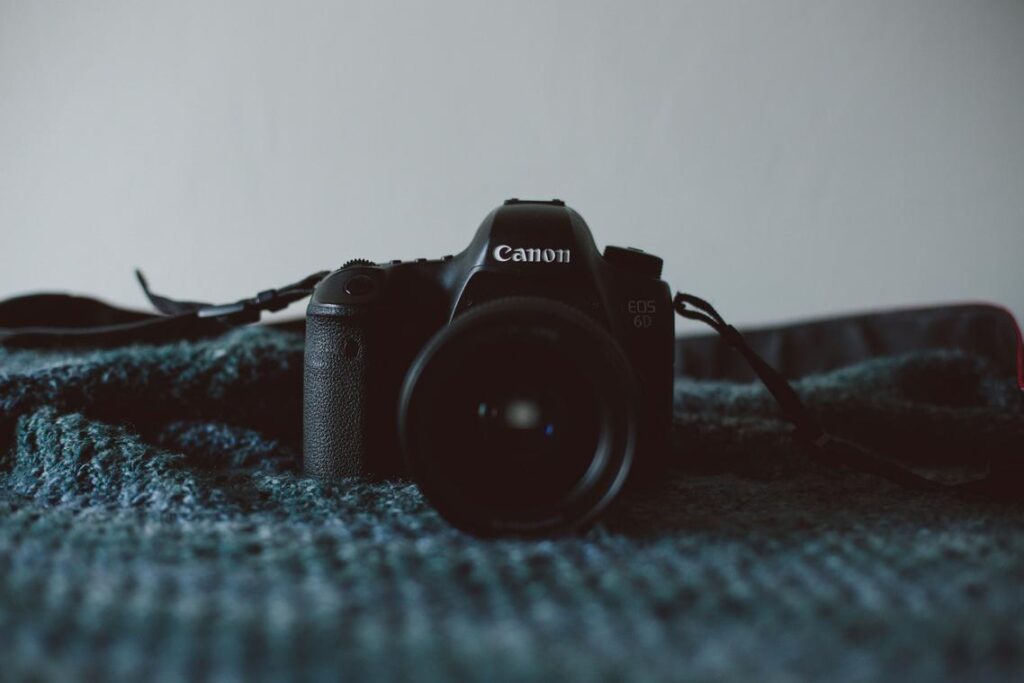
Have you ever looked at your meal and thought, Why doesn’t it look as good in photos as it does in real life? Here’s the good news: your smartphone is powerful enough. Modern phones use advanced sensors and computational photography (that’s software enhancing your image after you tap the shutter) to rival dedicated cameras.
First, turn on gridlines. They help with composition by following the rule of thirds—a core idea in food photography basics. Next, try Portrait Mode to create a soft, blurry background (called bokeh) that makes your dish stand out. Before shooting, tap the screen and slide your finger up or down to adjust brightness. Too dark? Lift it slightly. Too bright? Dial it back.
Then, don’t skip editing. A quick boost in brightness, contrast, and saturation can make colors pop. Overdo it? Pull back. The goal is mouthwatering, not neon. Sound simple? That’s because it is.
By now, you know great food photography isn’t about pricey cameras; it’s about light, composition, and styling. That shift changes everything. Instead of blaming your phone, you start seeing opportunity in window and tabletop. Result? Brighter images, colors, and dishes that look as good as they taste.
So say goodbye to disappointing photos of your culinary creations. No more dull pasta or lifeless pastries (we’ve all been there).
For your next meal, pause. Position it by a window, consider your angle, and take a shot. Practice is the final ingredient, and mastering food photography basics will reward you with results.
You came here to elevate your culinary creativity and capture dishes that truly stand out. Now you understand how flavor concepts, global inspirations, fusion experiments, and food photography basics all work together to turn everyday cooking into something unforgettable.
The real challenge isn’t finding ideas — it’s knowing how to execute them in a way that excites the senses and impresses your audience. When your flavors fall flat or your photos don’t match the magic on the plate, it’s frustrating. But with the right techniques and creative direction, you can transform simple ingredients into scroll-stopping, crave-worthy creations.
Bring Your Kitchen Creations to Life
Now it’s time to act. Start experimenting with one new fusion idea this week. Plate it with intention. Apply the food photography basics you’ve learned and capture it in its best light.
If you’re ready to stop guessing and start creating dishes that look as incredible as they taste, explore more of our proven kitchen hacks and flavor strategies. Join thousands of food lovers who are already upgrading their skills and turning everyday meals into bold culinary statements. Dive in now and make your next dish your best one yet.
 Fojato Fusion & Kitchen Hacks Specialist
Charles Wintersweetersin is the kind of writer who genuinely cannot publish something without checking it twice. Maybe three times. They came to culinary buzz through years of hands-on work rather than theory, which means the things they writes about — Culinary Buzz, Explore More, Flavor Concepts and Creations, among other areas — are things they has actually tested, questioned, and revised opinions on more than once.
That shows in the work. Charles's pieces tend to go a level deeper than most. Not in a way that becomes unreadable, but in a way that makes you realize you'd been missing something important. They has a habit of finding the detail that everybody else glosses over and making it the center of the story — which sounds simple, but takes a rare combination of curiosity and patience to pull off consistently. The writing never feels rushed. It feels like someone who sat with the subject long enough to actually understand it.
Outside of specific topics, what Charles cares about most is whether the reader walks away with something useful. Not impressed. Not entertained. Useful. That's a harder bar to clear than it sounds, and they clears it more often than not — which is why readers tend to remember Charles's articles long after they've forgotten the headline.
Fojato Fusion & Kitchen Hacks Specialist
Charles Wintersweetersin is the kind of writer who genuinely cannot publish something without checking it twice. Maybe three times. They came to culinary buzz through years of hands-on work rather than theory, which means the things they writes about — Culinary Buzz, Explore More, Flavor Concepts and Creations, among other areas — are things they has actually tested, questioned, and revised opinions on more than once.
That shows in the work. Charles's pieces tend to go a level deeper than most. Not in a way that becomes unreadable, but in a way that makes you realize you'd been missing something important. They has a habit of finding the detail that everybody else glosses over and making it the center of the story — which sounds simple, but takes a rare combination of curiosity and patience to pull off consistently. The writing never feels rushed. It feels like someone who sat with the subject long enough to actually understand it.
Outside of specific topics, what Charles cares about most is whether the reader walks away with something useful. Not impressed. Not entertained. Useful. That's a harder bar to clear than it sounds, and they clears it more often than not — which is why readers tend to remember Charles's articles long after they've forgotten the headline.