If you’ve been searching for practical, inspiring ways to create a culinary garden at home, you’re likely looking for more than just a list of herbs to plant. You want fresh flavors at your fingertips, creative ideas to use what you grow, and simple techniques that actually work in real kitchens.
This article is designed to guide you through building a thriving, flavor-focused garden that elevates your everyday cooking. From choosing the right herbs and edible plants to maximizing small spaces and experimenting with bold flavor pairings, we’ll show you how to turn even a windowsill into a powerhouse of taste.
Our approach blends global cuisine inspiration with hands-on kitchen-tested strategies, ensuring every recommendation is practical, efficient, and rooted in real culinary experience. Whether you’re a beginner or a seasoned home cook, you’ll discover how to grow smarter, cook fresher, and bring vibrant, garden-driven creativity straight to your table.
The Backyard Flavor Farm
I used to blame recipes for bland meals. Then I tasted a sun-warmed tomato straight from the vine and realized the problem was DISTANCE. Store-bought herbs lose volatile oils (the aromatic compounds that create flavor) during transport, according to postharvest studies from UC Davis. My first attempt at a culinary garden at home failed because I overwatered and crowded seedlings.
- Lesson: harvest at peak ripeness, not convenience.
When you control seed to plate, you capture sugars at their height. Yes, it takes effort, but so does good cooking (and nobody praises soggy basil). Trust me.
Designing Your Garden Around Your Plate
Before you buy a single seed, start with your stomach. Seriously. List the meals you actually cook on a Tuesday night (not the aspirational ones involving truffle foam). Love pasta? Plant basil, oregano, and cherry tomatoes. Taco fanatic? Cilantro, jalapeños, onions. If you’re building a culinary garden at home, let your cravings be the blueprint.
Next, map your sun and space. Spend a day observing where the light hits. “Full sun” means 6+ hours—perfect for tomatoes and peppers who basically demand a spotlight. Partial shade suits leafy greens that wilt faster than your motivation in August heat. KNOW YOUR SUN.
Now decide:
- Containers: Ideal for balconies and patios. Portable, flexible, great for commitment-phobes.
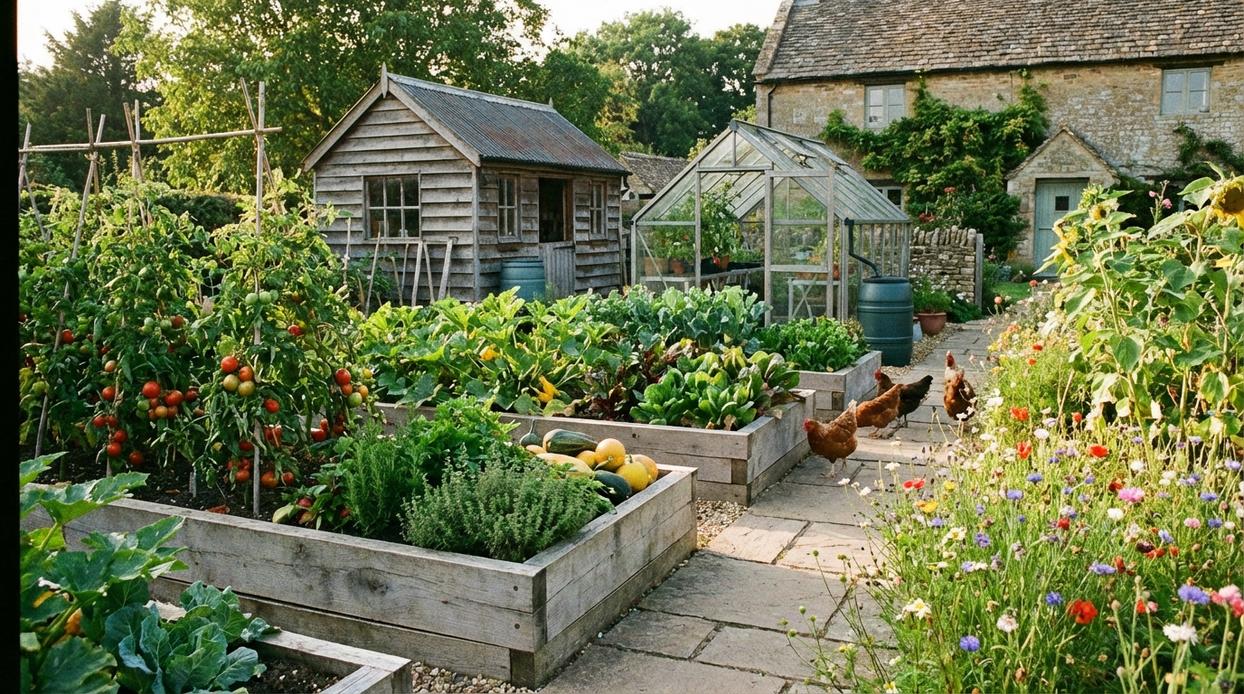
- Raised beds: Better drainage, better soil control, fewer backaches (mostly).
Finally, create “cuisine zones.” An Italian pot with basil, rosemary, thyme. A stir-fry bed starring bok choy, scallions, Thai basil. It’s like assembling the Avengers, but edible.
Pro tip: group plants with similar watering needs to avoid accidental drownings (plants hate surprise swimming lessons). Your garden should match your menu—not the other way around.
Beyond Basil: Choosing Plants for Culinary Adventure
If basil is the gateway herb, think of this as your passport stamp collection.
1. The Flavor Foundations (Easy to Grow, High Reward)
Start with dependable overachievers. Mint (always in a container unless you want a backyard coup), bush beans, leaf lettuce, and determinate “patio” tomatoes give you quick wins and steady harvests. These plants build confidence—and meals. A handful of fresh lettuce and tomatoes can turn a Tuesday dinner into something that feels suspiciously like a café lunch.
What’s next? Once you’ve mastered watering rhythms and sunlight patterns, you’ll want flavors that spark conversation.
2. Level Up Your Herb Game
Shiso brings a minty-anise twist that transforms rice bowls and grilled fish. Lemon verbena makes tea that tastes like it came from a boutique apothecary. Savory offers a peppery depth, stepping in where thyme usually plays it safe. (It’s the understudy that steals the show.)
After that, expect to ask: what else can surprise my palate?
3. Vegetables with a Twist
Trade bell peppers for shishitos— blistered in a hot pan, they’re smoky, sweet, and occasionally fiery (culinary roulette). Plant rainbow chard for color that looks almost too dramatic to sauté.
4. Don’t Forget Edible Flowers
Nasturtiums add a peppery kick to salads. Borage tastes faintly of cucumber and freezes beautifully into cocktail ice cubes.
Pro tip: Harvest flowers in the morning for peak flavor.
A culinary garden at home isn’t just about ingredients—it’s about momentum. Once you taste the difference, you’ll start planning seasons ahead, swapping seeds, and asking the best question of all: what should I grow next?
The Secret Ingredient: Building World-Class Soil
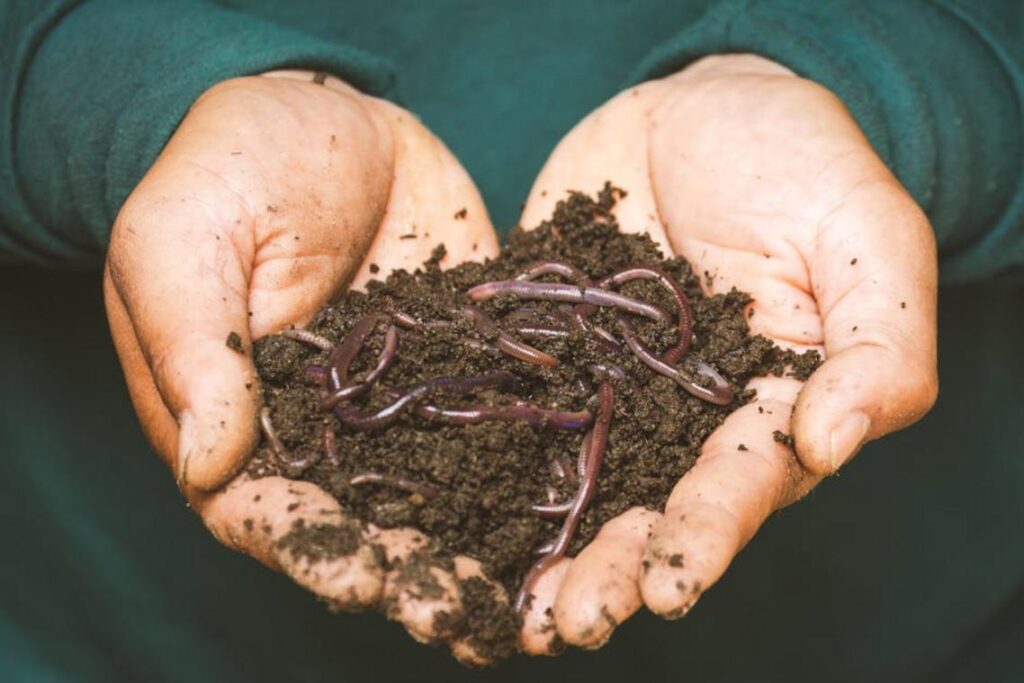
If flavor had a birthplace, it would be soil. Nutrient-deficient, compacted soil produces stressed plants—and stressed plants produce bland food (think supermarket tomatoes in January). Healthy soil, by contrast, is living soil: a dynamic ecosystem of microbes, fungi, organic matter, and minerals working together to feed roots naturally.
Some gardeners argue fertilizers alone can do the job. And yes, synthetic nutrients can boost growth short term. But studies from the Rodale Institute show organically managed soils improve microbial activity and nutrient density over time. Flavor follows function.
The Ultimate Kitchen Hack: Compost
Composting turns scraps into “black gold.” Fruit peels, coffee grounds, leaves, and grass clippings decompose into humus—stable organic matter that improves structure and water retention. No fancy tumbler required. A simple bin works (low effort, high return).
Prediction: As food prices rise, composting will become as normal as recycling. A culinary garden at home may soon feel less like a hobby and more like a pantry strategy.
Perfect Potting Mix Recipe
For containers, blend one part peat moss or coco coir, one part compost or worm castings, and one part perlite or vermiculite. This ensures aeration and drainage—critical for root oxygen.
Raised Bed Magic: Lasagna Gardening
Layer cardboard, green materials, and brown materials. No digging. Over time, microbes do the work.
Pro tip: Healthy soil makes nutrition labels matter less—but still brush up on understanding food labeling and nutrition facts when sourcing amendments.
Nurturing and Harvesting for Peak Freshness
Great flavor starts with intentional care. If you’re building a culinary garden at home, think beyond plant survival—think taste.
1. Water for Flavor, Not Just Growth
Water deeply and less frequently. This pushes roots downward, making plants more resilient and concentrating natural sugars—especially in tomatoes. Shallow, daily watering creates weak roots and diluted flavor. A good rule: soak the soil until it’s moist 6–8 inches down, then wait until the top inch dries before watering again. (Yes, plants appreciate tough love.)
2. Use Natural Pest Control
Invite beneficial insects like ladybugs by planting dill or fennel nearby. They feast on aphids. For quick action, mix a few drops of dish soap with water and spray affected leaves. Rinse after a few hours to prevent residue buildup.
3. Master the Harvest Timing
Harvest herbs in the morning after dew dries—essential oils peak then. Pick greens using the cut-and-come-again method to extend yields. Let tomatoes ripen fully on the vine for maximum sweetness. Timing transforms good produce into unforgettable flavor.
Bringing Your Harvest from the Plot to the Plate
You’ve now seen that an edible garden is an extension of your kitchen, not a separate chore. Think of it as a flavor-first system: where soil health (nutrient-rich compost) directly impacts taste. Studies from the USDA show fresher produce retains more nutrients, which often correlates with better flavor. Build a culinary garden at home starting with basil; compare store-bought leaves to ones clipped minutes before pasta (no contest). Harvest at peak ripeness for maximum sweetness. Pro tip: water but infrequently. Pick one herb today and plant it—your plate will thank you
As you begin planning your culinary garden, consider incorporating the unique flavors of Fojatosgarto Ingredients, which can elevate your home-cooked meals to a whole new level.
Bring Your Culinary Garden to Life
You started this journey wanting to turn fresh ideas into flavorful results—and now you have the inspiration, global influences, and smart kitchen hacks to make it happen. From bold Fojato fusion experiments to simple ingredient upgrades, you’ve seen how creative thinking can transform everyday meals into something unforgettable.
The real frustration was never a lack of passion—it was not knowing how to bring exciting flavors together in a way that actually works. Now, you’re equipped to experiment confidently and build your own culinary garden at home filled with vibrant tastes and personal twists.
Don’t let your next meal fall back into the ordinary. Start experimenting with one new fusion idea this week, try a global flavor pairing you’ve never used before, and put these kitchen hacks into action. Join thousands of flavor-forward home cooks who are already reinventing their kitchens with bold, creative techniques. Dive in now and turn your next dish into your best one yet.
 Fojato Fusion & Kitchen Hacks Specialist
Charles Wintersweetersin is the kind of writer who genuinely cannot publish something without checking it twice. Maybe three times. They came to culinary buzz through years of hands-on work rather than theory, which means the things they writes about — Culinary Buzz, Explore More, Flavor Concepts and Creations, among other areas — are things they has actually tested, questioned, and revised opinions on more than once.
That shows in the work. Charles's pieces tend to go a level deeper than most. Not in a way that becomes unreadable, but in a way that makes you realize you'd been missing something important. They has a habit of finding the detail that everybody else glosses over and making it the center of the story — which sounds simple, but takes a rare combination of curiosity and patience to pull off consistently. The writing never feels rushed. It feels like someone who sat with the subject long enough to actually understand it.
Outside of specific topics, what Charles cares about most is whether the reader walks away with something useful. Not impressed. Not entertained. Useful. That's a harder bar to clear than it sounds, and they clears it more often than not — which is why readers tend to remember Charles's articles long after they've forgotten the headline.
Fojato Fusion & Kitchen Hacks Specialist
Charles Wintersweetersin is the kind of writer who genuinely cannot publish something without checking it twice. Maybe three times. They came to culinary buzz through years of hands-on work rather than theory, which means the things they writes about — Culinary Buzz, Explore More, Flavor Concepts and Creations, among other areas — are things they has actually tested, questioned, and revised opinions on more than once.
That shows in the work. Charles's pieces tend to go a level deeper than most. Not in a way that becomes unreadable, but in a way that makes you realize you'd been missing something important. They has a habit of finding the detail that everybody else glosses over and making it the center of the story — which sounds simple, but takes a rare combination of curiosity and patience to pull off consistently. The writing never feels rushed. It feels like someone who sat with the subject long enough to actually understand it.
Outside of specific topics, what Charles cares about most is whether the reader walks away with something useful. Not impressed. Not entertained. Useful. That's a harder bar to clear than it sounds, and they clears it more often than not — which is why readers tend to remember Charles's articles long after they've forgotten the headline.