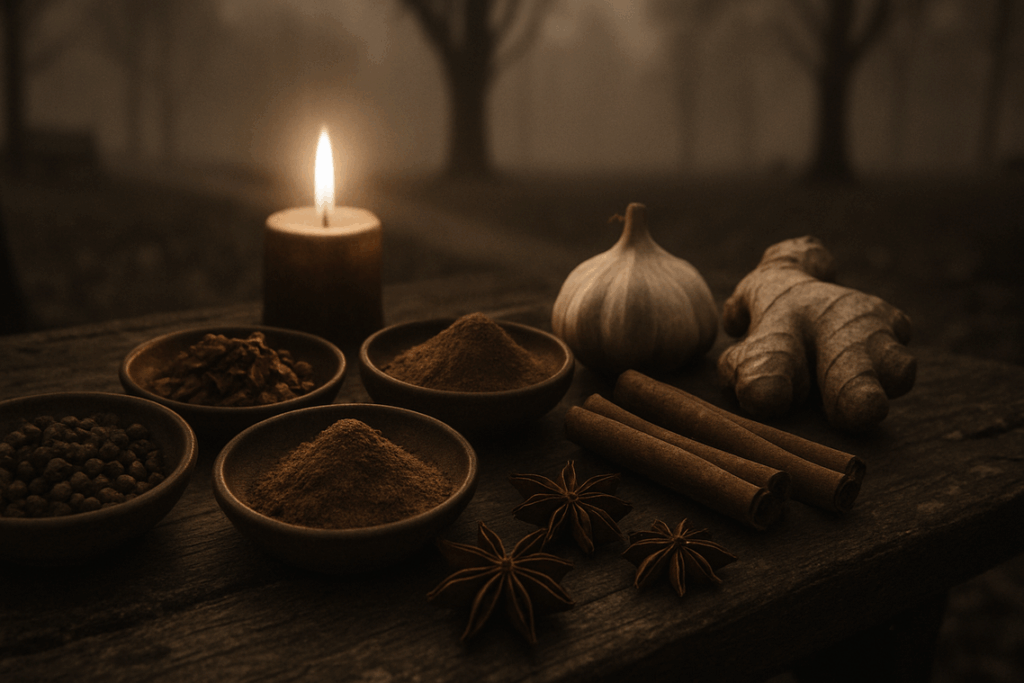

If you’re searching for fresh culinary inspiration that goes beyond the usual recipes, you’re in the right place. This article explores bold flavor concepts, unexpected ingredient pairings, and global cuisine influences designed to elevate your everyday cooking. Whether you’re curious about fusion experiments or practical kitchen shortcuts, you’ll discover ideas that are both creative and achievable.
We dive into traditional cooking techniques worldwide and reinterpret them with modern twists, showing you how time-honored methods can unlock deeper flavor and better texture at home. From street-food inspirations to refined plating ideas, each concept is carefully researched, kitchen-tested, and refined through hands-on experimentation.
Our goal is simple: help you cook smarter, taste more, and experiment with confidence. Inside, you’ll find actionable tips, flavor-building strategies, and clever hacks that turn ordinary meals into memorable dishes—without requiring professional equipment or complicated steps.
Long before meal kits and microwave dinners, communities slow-roasted grains in clay ovens and buried meats beneath embers. Back in 3000 BCE, fermentation turned fragile milk into cheese, stretching its life for months. Today, we call these traditional cooking techniques worldwide, but they began as survival strategies. Some argue modern shortcuts save time, and they do. Yet after weeks of testing fire-roasting at home, the depth of flavor proved worth the wait. Think of it like vinyl records versus streaming (yes, both play music). By revisiting these methods, you reconnect with culture, patience, and taste that convenience rarely delivers fully.
Cooking with the Earth: The Power of Clay and Heat
First, let’s talk about the tandoor—the cylindrical clay oven that basically turns dinner into a controlled fire experiment (the delicious kind). A tandoor uses intense, dry radiant heat, often exceeding 800°F, created by charcoal or wood at the base. Because clay absorbs and retains heat, it cooks food quickly and evenly. Scientifically speaking, that high heat triggers the Maillard reaction—a chemical process that browns proteins and creates complex flavor (a.k.a. the reason naan tastes irresistible).
As a result, you get what I call the “char-and-steam” effect. Meats sear on the outside while staying juicy inside, thanks to rapid surface caramelization sealing in moisture. Meanwhile, naan slapped onto the clay walls puffs dramatically—like it’s auditioning for a baking show.
On the other hand, the North African tagine is all about patience. Its مخروط-shaped lid condenses steam and circulates it back down, creating a self-basting cycle. In other words, it’s a slow cooker with architectural flair.
Now, here’s a kitchen hack: mimic a tagine using a Dutch oven lined with parchment under the lid. The paper traps steam, recreating that moisture loop beautifully.
Together, these tools reflect traditional cooking techniques worldwide—proof that clay plus fire equals magic.
The Living Pantry: Fermentation as a Global Flavor Engine
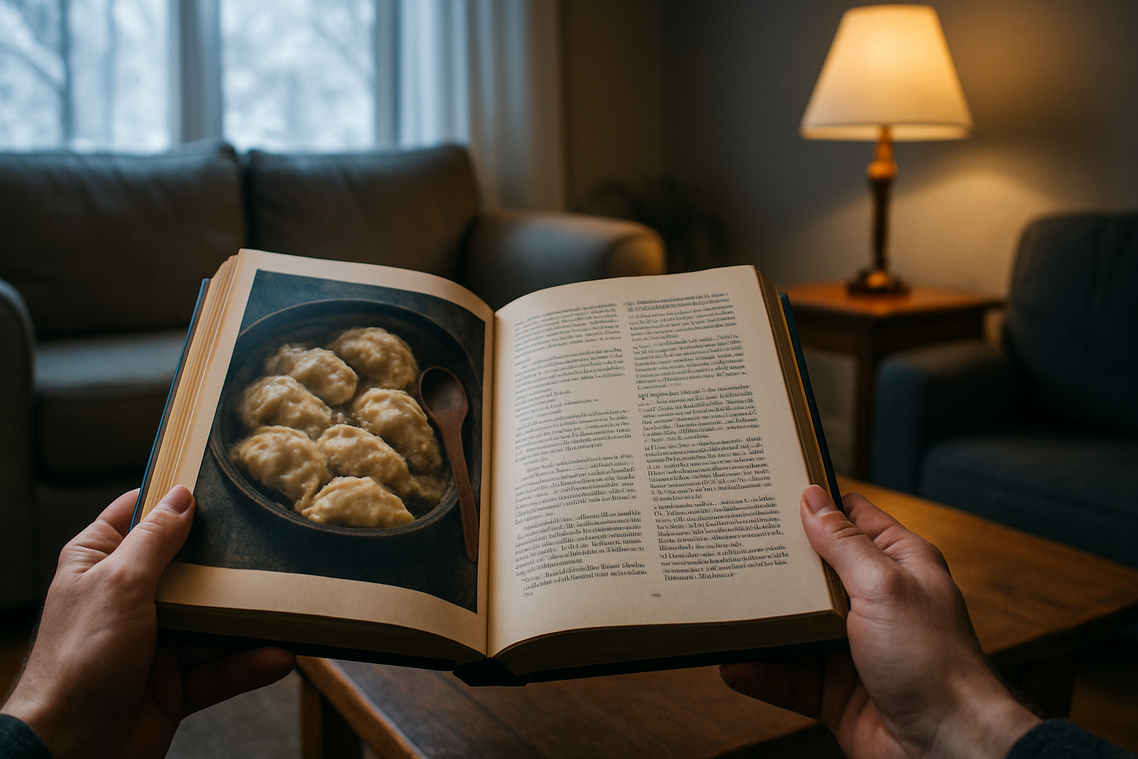
Fermentation is often dismissed as old-school preservation—a way to keep cabbage from rotting before refrigeration (fair, but incomplete). In reality, it’s a flavor engine. Through controlled microbial activity—meaning beneficial bacteria, yeasts, or molds transforming food—ingredients develop deep umami (savory richness), bright acidity, and layered complexity that fresh foods simply don’t have.
Take kimchi from Korea. Yes, it preserves napa cabbage. But lacto-fermentation—where lactic acid bacteria convert sugars into lactic acid—creates its signature tang and funk. Gochugaru (Korean red pepper flakes) adds heat, while jeotgal (salted seafood) boosts glutamates, the compounds responsible for umami. Some argue it’s too pungent for everyday meals. Yet in Korean cuisine, kimchi is foundational, balancing fatty meats and rice with sharp, fermented lift.
Similarly, Japanese miso relies on koji mold (Aspergillus oryzae), which breaks down soybeans, rice, or barley into amino acids and sugars. Critics sometimes see mold and hesitate. However, koji is cultivated with precision, turning simple beans into a paste that enriches soups, marinades, and even caramel sauces with savory depth.
Sourdough, cultivated from wild yeast and bacteria, predates commercial yeast by millennia. While some prefer the predictability of packaged yeast, wild fermentation yields nuanced flavor and improved texture (and that crackly crust fans obsess over). It’s one of many traditional cooking techniques worldwide that prove time equals taste.
For fusion, try using kimchi brine as a fried chicken marinade or whisked into vinaigrette. It’s the same principle explored in how regional spices define cultural dishes: transformation creates identity. Pro tip: a splash of brine can wake up even the dullest leftovers.
Mastering Smoke and Flame: The Primal Art of Fire Cooking
Fire cooking is older than written language—and arguably more persuasive. Across traditional cooking techniques worldwide, flame isn’t just heat; it’s flavor, ritual, and patience made visible.
Asado: The Slow Conversation with Fire
In Argentina, Asado is less a meal and more a gathering. Large cuts of beef are arranged beside glowing wood embers, not directly over flame. This is indirect heat—meaning the food cooks from ambient warmth rather than direct contact with fire. The result? A tender interior and crackling crust earned over hours, not minutes.
Some argue this is inefficient. Why spend half a day tending coals when a gas grill cooks faster? Fair point. But speed sacrifices depth. With Asado, salt (often just coarse sea salt) draws moisture to the surface, forming a flavorful crust, while steady temperature control prevents toughness. (Rush it, and the cow wins.)
Hibachi and Yakitori: Precision and Intensity
By contrast, Japanese hibachi and yakitori rely on binchotan, a dense charcoal that burns hot and clean. Here, skewered meats kiss direct heat for quick searing. It’s controlled intensity—crisp edges, juicy centers, minimal smoke interference.
| Style | Heat Type | Fuel | Flavor Result |
|---|---|---|---|
| Asado | Indirect, low |
Wood embers | Deep, smoky, tender |
| Yakitori | Direct, high | Binchotan | Clean, crisp, focused |
Meanwhile, wood itself seasons the food. Mesquite is bold and earthy; hickory adds bacon-like richness; applewood brings subtle sweetness. Think of smoke as an invisible spice rack.
Kitchen Hack: No smoker? Wrap soaked wood chips in foil, poke holes, and place the packet over grill heat. Instant smoke infusion. (Pro tip: keep the lid closed—smoke can’t flavor what it can’t reach.)
Global Techniques for the Modern Kitchen
I once ruined a batch of tortillas by skipping nixtamalization, the Mesoamerican method of soaking maize in an alkaline solution to unlock nutrients and flavor. The result? Flat, lifeless masa. Lesson learned.
Today, I borrow from traditional cooking techniques worldwide:
- Add baking soda to pretzels for deeper browning and crackle.
- Toss vegetables with a pinch for crisper edges (science, not magic).
I also over-salted my first gravlax. Curing—using salt and sugar to draw out moisture—demands balance, whether for Scandinavian salmon or Italian prosciutto. Think patience, not speed (like a slow-burn Netflix series).
Your culinary adventure begins the moment steam kisses your face and garlic crackles in hot oil. You’ve seen how ancient methods unlock flavor; now feel the warmth of clay, hear the slow bubble of a stew, taste the bright tang of a simple ferment. The solution to bland meals isn’t another gadget blinking on counter—it’s traditional cooking techniques worldwide, alive in hands.
Start small:
- Simmer bones until the broth turns SILKY and fragrant.
- Ferment cabbage until it snaps, sour and alive.
Notice aromas deepen, colors glow, first bite hums richly. Tonight, cook with FIRE and patience slowly.
As we explore the rich tapestry of traditional cooking techniques from five continents, it’s intriguing to consider how these age-old practices are adapting in the modern culinary landscape, especially as online grocery shopping transforms accessibility to authentic ingredients, making it easier than ever for home cooks to recreate classic dishes – for more details, check out our How Online Grocery Shopping Is Changing Tbfoodcorner.
Bring Global Flavor Into Your Kitchen Today
You came here looking for fresh culinary inspiration and bold flavor ideas—and now you have a table full of them. From inventive fusion experiments to smarter kitchen hacks, you’ve seen how blending creativity with traditional cooking techniques worldwide can completely transform the way you cook.
If you’ve ever felt stuck making the same dishes on repeat or unsure how to elevate your meals, you’re not alone. The real frustration isn’t a lack of ingredients—it’s a lack of fresh perspective. And now, you have the tools to change that.
The next step is simple: start experimenting. Pick one global flavor concept, try one fusion twist, or apply one new kitchen hack this week. Small shifts create unforgettable results.
Ready to take your cooking from predictable to unforgettable? Explore more flavor-packed ideas, test bold combinations, and turn your kitchen into a hub of global inspiration. Join thousands of food lovers who are already reimagining their meals—start your next culinary experiment today.
 Founder & Culinary Visionary
There is a specific skill involved in explaining something clearly — one that is completely separate from actually knowing the subject. Ozirian Zyphoris has both. They has spent years working with culinary buzz in a hands-on capacity, and an equal amount of time figuring out how to translate that experience into writing that people with different backgrounds can actually absorb and use.
Ozirian tends to approach complex subjects — Culinary Buzz, Garto Kitchen Hacks, Global Cuisine Inspirations being good examples — by starting with what the reader already knows, then building outward from there rather than dropping them in the deep end. It sounds like a small thing. In practice it makes a significant difference in whether someone finishes the article or abandons it halfway through. They is also good at knowing when to stop — a surprisingly underrated skill. Some writers bury useful information under so many caveats and qualifications that the point disappears. Ozirian knows where the point is and gets there without too many detours.
The practical effect of all this is that people who read Ozirian's work tend to come away actually capable of doing something with it. Not just vaguely informed — actually capable. For a writer working in culinary buzz, that is probably the best possible outcome, and it's the standard Ozirian holds they's own work to.
Founder & Culinary Visionary
There is a specific skill involved in explaining something clearly — one that is completely separate from actually knowing the subject. Ozirian Zyphoris has both. They has spent years working with culinary buzz in a hands-on capacity, and an equal amount of time figuring out how to translate that experience into writing that people with different backgrounds can actually absorb and use.
Ozirian tends to approach complex subjects — Culinary Buzz, Garto Kitchen Hacks, Global Cuisine Inspirations being good examples — by starting with what the reader already knows, then building outward from there rather than dropping them in the deep end. It sounds like a small thing. In practice it makes a significant difference in whether someone finishes the article or abandons it halfway through. They is also good at knowing when to stop — a surprisingly underrated skill. Some writers bury useful information under so many caveats and qualifications that the point disappears. Ozirian knows where the point is and gets there without too many detours.
The practical effect of all this is that people who read Ozirian's work tend to come away actually capable of doing something with it. Not just vaguely informed — actually capable. For a writer working in culinary buzz, that is probably the best possible outcome, and it's the standard Ozirian holds they's own work to.