
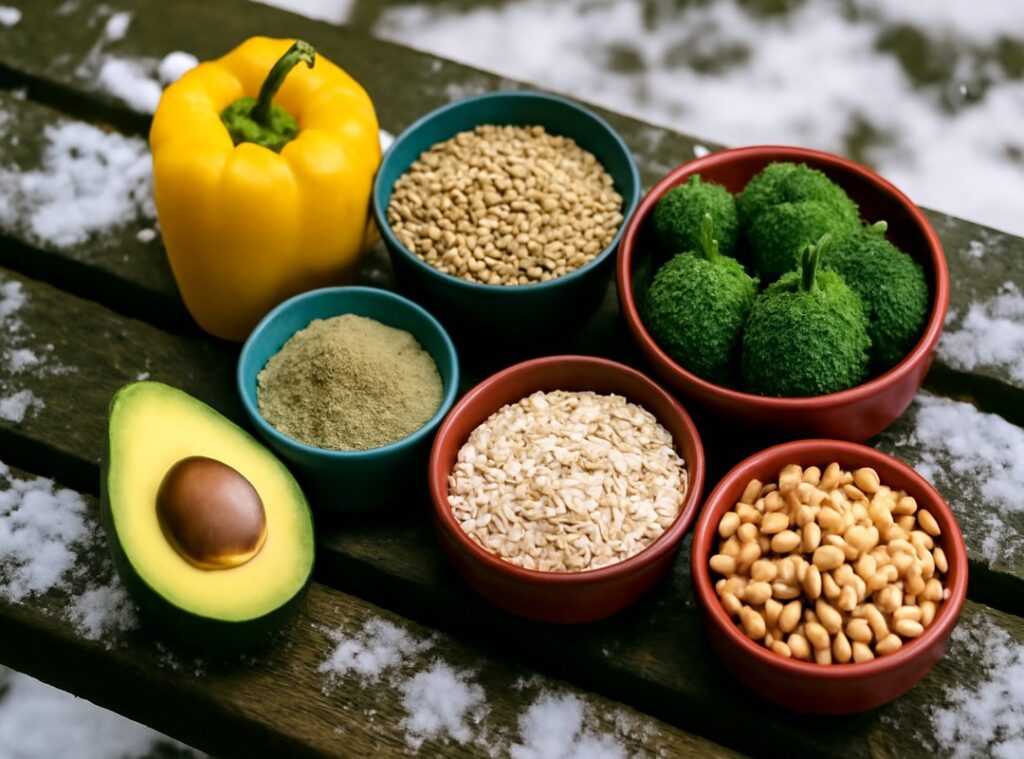
Think eco-friendly food is boring? Think again. I’m delving into the world of sustainable ingredients trends to show you that being kind to the planet doesn’t mean compromising on flavor.
This article isn’t just another list of “green” foods. We’re diving into global flavors, bringing you the latest culinary innovations that are shaking up modern kitchens. Ever heard of ingredients that taste amazing but help the environment too?
Yeah, we’ll cover that. You’ll get a guide to ingredients offering incredible new tastes and textures. Ready to change the way you think about eco-friendly eating?
Let’s get started.
Upcycled Ingredients: The Ultimate Culinary Glow-Up
Ever heard of upcycling in the kitchen? It’s about taking leftover food byproducts and turning them into gourmet treasures. We’re not just reducing waste; we’re maximizing flavor.
Let’s dive into a couple of indulgent examples.
First up, cascara. This is the coffee cherry tea you’ve probably never heard of. The flavor?
Fruity, with a hint of hibiscus. Imagine it in artisanal syrups for cocktails. You get this complex, refreshing twist that’ll make your drink the talk of the party.
Or use it as a glaze for meats. The fruity notes raise a simple roast into something luxurious.
Next, we have spent grain flour. It’s a byproduct of brewing (yes, beer). But don’t let that fool you; it adds a nutty, rich depth to sourdough breads, pastas, and even pastries.
You know that hearty, satisfying bite you crave in bread? This is it. It’s like the secret ingredient that makes you wonder why everything suddenly tastes so good.
Why is this trend catching on? It’s about creativity. It’s about flavor maximization.
Plus, it’s part of the emerging food trends 2024 that everyone’s talking about. Think about how cool it is to transform what would’ve been waste into something sensational. It’s not just about sustainable ingredients trends anymore.
It’s about pushing culinary boundaries and finding new favorites.
So, are you ready to explore these flavors? Or will you be stuck in the same old culinary rut? Upcycling is here, and it’s delicious.
Give it a try. You might just find your new favorite ingredient hiding in plain sight.
The New Wave: Sea Greens & Algae Redefined
Forget nori and wakame. If you’re into sustainable ingredients trends, it’s time to dive deeper into the ocean’s pantry. Sea Asparagus (Salicornia) is a crisp, briny surprise.
It’s naturally salty, almost like nature’s potato chip. You can toss it raw into salads for a satisfying crunch, or sauté it lightly for a side dish that’s anything but basic.
Then there’s Dulse. This seaweed has a smoky, bacon-like flavor when pan-fried. Yes, bacon!
Imagine that in your plant-based pantry. It’s a game-changer for those savory dishes that need a little extra oomph. Toss it into your stir-fry or sprinkle it over a baked potato.
You can thank me later.
And let’s not forget the powerhouses: Spirulina and Chlorella. These aren’t just for health nuts. They’re umami bombs waiting to explode in your kitchen.
Add them to smoothies, sauces, and dressings. They bring a depth that’s hard to beat. But don’t overdo it.
A little goes a long way.
Pro tip: Experiment with these sea veggies in your kitchen. The culinary potential is huge, and they might just become your new favorite ingredients. I mean, who doesn’t want to spice up their cooking routine?
So, next time you’re at the market, skip the usual suspects and reach for these oceanic delights. They’re not just sustainable; they’re a delicious way to raise your meals. Sea greens and algae (it’s) the new wave we should all be riding.
Regenerative Grains: Flavor Rooted in a Better Earth
Regenerative agriculture is like giving the soil a healing massage. It’s farming that doesn’t just take but gives back, fostering rich, healthy dirt. Why does this matter?
Because healthier soil means more flavorful grains. Simple math: healthy soil equals nutrient-dense crops, which equals tasty food.
Ever tried Kernza? This perennial grain is a bit like a superhero of soil. With its deep roots, it stabilizes the earth and brings a sweet, nutty flavor to the table.
New bakers and brewers are all over it. Imagine biting into bread that’s both delicious and healing the planet.
Then there’s Fonio, an ancient grain from West Africa that’s making waves in the culinary scene. Its light, fluffy texture mimics couscous, perfect for salads or hearty porridges. It’s like the underdog grain that’s finally getting its spotlight moment.
Choosing these grains doesn’t just fill your belly. It’s an investment in a flavorful and secure food future. With sustainable ingredients trends on the rise, these choices matter more than ever.
You know, the one in every feel-good movie.
Grains like Kernza and Fonio are shaking things up, much like how plant based foods revolutionizing menus are changing our dining experiences.
So ask yourself: Why not support farming practices and crops that are good for us and the earth? It’s a no-brainer. Let’s keep our soil happy and our meals tastier.
Pro tip: Next time you’re at the store, give these grains a shot. Your taste buds. And the planet.
Will thank you.
Fungi & Ferments: Deep Flavor Frontiers
Fungi and fermentation are where the magic happens in plant-based indulgence. Mycelium, the root structure of mushrooms, is more than just a fancy term. It’s being used to create whole-cut “meats” with a texture that’s almost eerily similar to real meat.
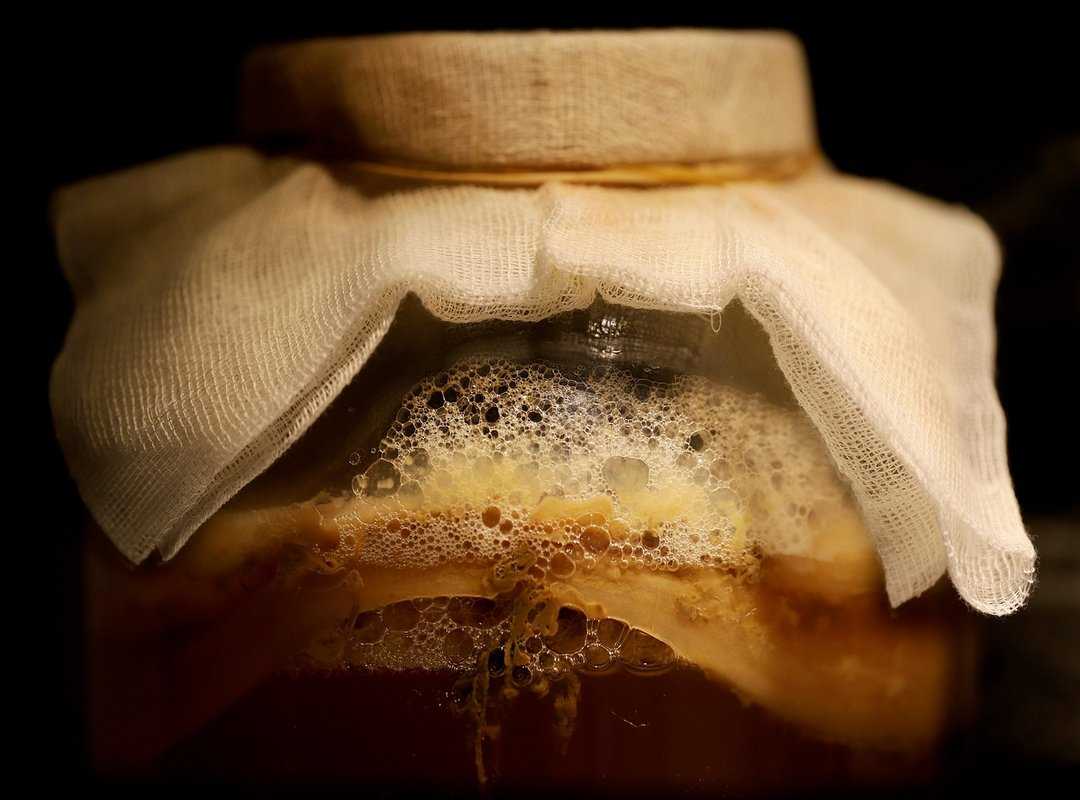
You know, the kind that has you questioning if it’s truly plant-based. The savory depth it brings is incredible, making it a must-try for those chasing after sustainable ingredients trends.
And let’s not forget tempeh. Move over soy! Chickpeas, lentils, and black beans are stepping up.
Each of these ingredients gives tempeh its own unique flavor profile. It’s like choosing between a jazz concert and a rock gig. You get a different experience with each bite, and it’s one of those things you need to try to fully appreciate.
Precision fermentation is another game-changer. It’s all about creating complex flavors without animal products. Imagine animal-free dairy proteins or umami-rich seasonings that pack a punch.
Culinary experimentation has never been more exciting or accessible. This is the kind of stuff that gets chefs and foodies buzzing.
Curious about the future? This breakdown offers a detailed look at what’s next. As we push boundaries, these techniques are reshaping how we view food but also how we taste it. It’s like opening a door to a new world of flavors.
Are you ready to dive in? Because I sure am.
Building Your Sustainable Pantry: A Delicious Adventure
Why chase sustainable ingredients trends? Because it just makes sense. First up, swap out your usual rice for fonio.
It’s a grain marvel. Try it once this week. Trust me, your taste buds will thank you.
You’ve probably heard of “upcycled” products, right? They’re the unsung heroes of sustainability. Brands using coffee fruit or spent grains are paving the way.
When you support them, you’re not just shopping (you’re) choosing to make a difference.
Now, let’s talk about scouting local international markets. They’re gold mines for unique ingredients like sea greens or fermented goodies. Think of it like a treasure hunt.
Each new discovery could be a game-changer in your kitchen.
Pro tip: Start small. A single swap or addition can transform your meals. It’s not just about the food.
It’s about the journey of flavor exploration and culinary creativity. Who knew saving the planet could taste so good?
Dive Into Flavorful Sustainability
I get it. You thought eco-friendly food meant bland. Not anymore. Sustainable ingredients trends now pair with indulgent flavors.
Imagine tasting new textures and exploring global cuisines (all) guilt-free. The misconception is gone.
Ready to shake up your kitchen? Pick one trend and see how it transforms your meals. Trust me, it’s more than just a meal; it’s a movement.
Don’t just read about it. Live it. Try creating your own sustainable dish today.
Who knows? You might end up redefining delicious. Start your culinary adventure right now.
It’s time to craft your masterpiece.
 Head of Culinary Content & Trends
Herbert Andrewswores has opinions about culinary buzz. Informed ones, backed by real experience — but opinions nonetheless, and they doesn't try to disguise them as neutral observation. They thinks a lot of what gets written about Culinary Buzz, Explore More, Flavor Concepts and Creations is either too cautious to be useful or too confident to be credible, and they's work tends to sit deliberately in the space between those two failure modes.
Reading Herbert's pieces, you get the sense of someone who has thought about this stuff seriously and arrived at actual conclusions — not just collected a range of perspectives and declined to pick one. That can be uncomfortable when they lands on something you disagree with. It's also why the writing is worth engaging with. Herbert isn't interested in telling people what they want to hear. They is interested in telling them what they actually thinks, with enough reasoning behind it that you can push back if you want to. That kind of intellectual honesty is rarer than it should be.
What Herbert is best at is the moment when a familiar topic reveals something unexpected — when the conventional wisdom turns out to be slightly off, or when a small shift in framing changes everything. They finds those moments consistently, which is why they's work tends to generate real discussion rather than just passive agreement.
Head of Culinary Content & Trends
Herbert Andrewswores has opinions about culinary buzz. Informed ones, backed by real experience — but opinions nonetheless, and they doesn't try to disguise them as neutral observation. They thinks a lot of what gets written about Culinary Buzz, Explore More, Flavor Concepts and Creations is either too cautious to be useful or too confident to be credible, and they's work tends to sit deliberately in the space between those two failure modes.
Reading Herbert's pieces, you get the sense of someone who has thought about this stuff seriously and arrived at actual conclusions — not just collected a range of perspectives and declined to pick one. That can be uncomfortable when they lands on something you disagree with. It's also why the writing is worth engaging with. Herbert isn't interested in telling people what they want to hear. They is interested in telling them what they actually thinks, with enough reasoning behind it that you can push back if you want to. That kind of intellectual honesty is rarer than it should be.
What Herbert is best at is the moment when a familiar topic reveals something unexpected — when the conventional wisdom turns out to be slightly off, or when a small shift in framing changes everything. They finds those moments consistently, which is why they's work tends to generate real discussion rather than just passive agreement.