
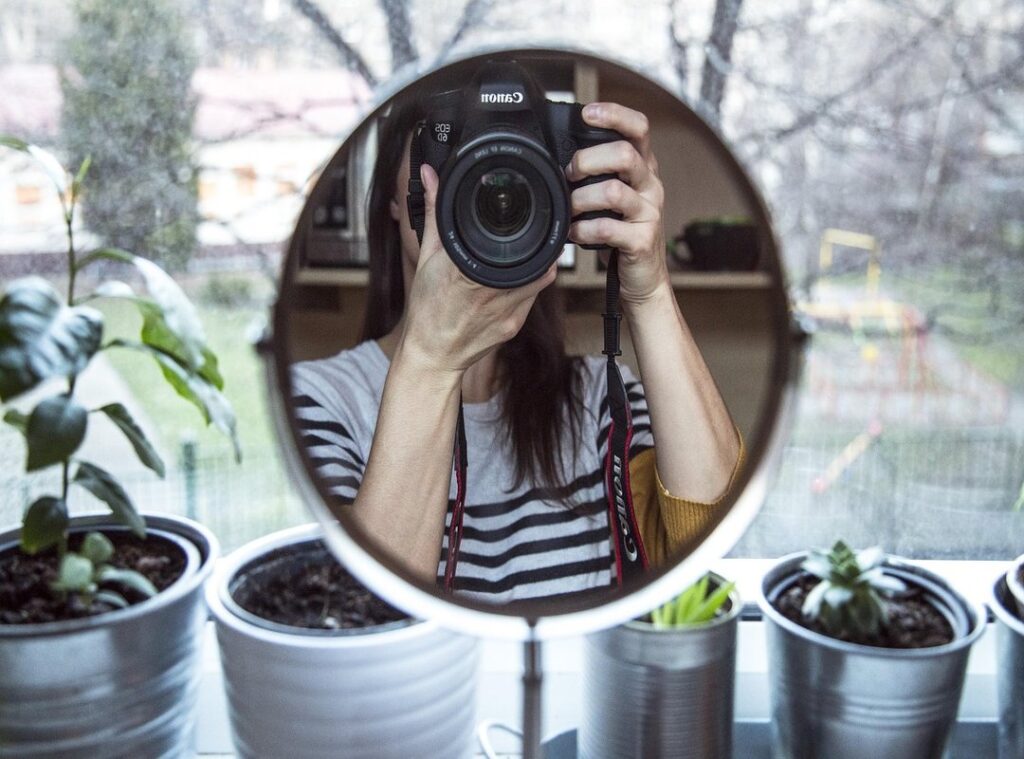
A mirror reflects not a face, but a cascade of flowers, a strategically placed leaf, or the soft glow of golden hour light. It’s a new wave of faceless nature boy mirror selfie aesthetic that’s taking the internet by storm.
Are you tired of the same old selfies? I get it. Sometimes you want to be part of the trend without revealing too much.
This article is here to help. We’ll dive into the art of the anonymous, nature-inspired mirror selfie.
You’ll get actionable tips on everything from finding the right natural props to using light and shadow.
Let’s turn your simple photo into a piece of art.
It’s all about mood, composition, and creativity. Forget conventional beauty standards.
Join me in this creative exploration. See your reflection as a canvas for nature’s artistry.
Deconstructing the Aesthetic: Core Elements of a Nature-Inspired Shot
Let’s dive into the primary principle: intentional anonymity. This means keeping the face out of the picture, or at least partially obscured. You can do this in several ways:
1.
Use a bouquet to cover the face.
2. Hold a single large leaf in front of you.
3. Position the phone itself to block your face.
4.
Utilize deep shadows to hide facial features.
Natural props play a crucial role. Think beyond just flowers. Dried pampas grass, intricate branches, seasonal fruit, and even reflective water in a vase can add depth and interest.
The mirror is key. It serves as a framing device, and different styles can change the photo’s mood. Vintage, ornate, minimalist, or frameless mirrors each bring a unique vibe.
Color palette matters. Earthy tones, muted greens, warm ochres, and soft whites mimic natural landscapes. These colors blend seamlessly with the natural elements, creating a cohesive look.
Texture adds another layer. The veins of a leaf, the grain of a wooden mirror frame, or the softness of a linen background all contribute to the overall feel.
In summary, the faceless nature boy mirror selfie aesthetic is a delicate balance between a self-portrait and a still life. The person becomes a component of the composition, not the sole focus.
Harnessing Natural Light to Sculpt Your Scene
Champion the ‘golden hour’—the first hour after sunrise and the last hour before sunset. This is the ideal time for shooting. The light is soft, warm, and flattering.
Some might argue that golden hour is overrated. They say it’s too predictable and cliché. But I disagree.
There’s a reason why so many photographers and filmmakers love this time. It adds a magical quality to your shots.
Creating dappled light indoors can be as simple as positioning a mirror near a window with a leafy plant. Or use a sheer, textured curtain to diffuse harsh sunlight.
Why not play with shadows? Use the shadow of a plant, your phone, or even your own body. Shadows add depth, mystery, and can help obscure your identity if you’re into that faceless nature boy mirror selfie aesthetic.
Direct, hard light creates sharp lines and high-contrast shadows. It’s bolder and more dramatic. Some people think it’s too harsh.
But when used creatively, it can make your photos stand out.
Experiment with different windows in your home at various times of day. Notice how the light changes and what moods it creates. This is key to understanding your space and how to use it best.
Taking a small mirror outdoors into a garden or wooded area can capture the most authentic natural light and background. It’s a bit of extra effort, but the results are worth it.
Composition and Framing: Arranging Your Natural Elements
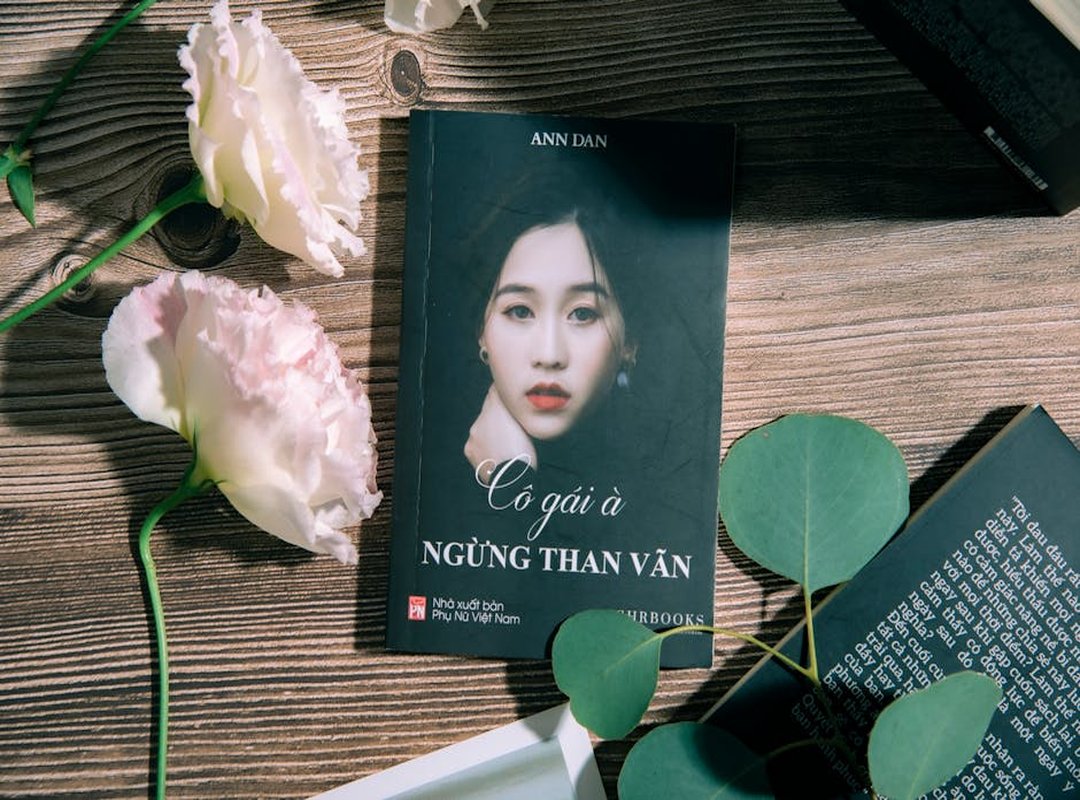
When you’re setting up a shot, think about the Rule of Thirds. Placing the mirror or the main natural element off-center makes the photo more dynamic and visually interesting.
A non-distracting background is key. Use simple backdrops like a plain wall, a textured blanket, or a clean wooden floor to make sure your subject stands out.
Layering can add depth and complexity. Try placing some natural elements in front of the mirror and others in the reflection. It creates a sense of dimension that draws the eye in.
Specific composition ideas? How about a single, elegant branch arching over the mirror? Or a dense cluster of flowers held like a shield?
Hands holding the mirror with foliage reflected within can also be stunning.
The camera angle matters too. Shooting from slightly above, below, or to the side can change the perspective and the story the image tells.
Experiment with asymmetry, negative space, and unconventional framing once you understand the basics. Breaking the rules can lead to some of the most creative and unique shots.
Think about the faceless nature boy mirror selfie aesthetic for a moment. It’s all about the natural elements and the way they interact with the reflection. The textures, the colors, the way light plays on the surfaces—it’s a feast for the senses.
Pro tip: If you’re feeling stuck, try stepping away and coming back with fresh eyes. Sometimes, a little distance can help you see new possibilities.
Building your skills takes time. Don’t be afraid to play around and find what works for you. (And if you need a boost, check out some tips on how to build confidence as a home cook.)
The Final Touch: Editing for an Earthy, Timeless Feel
Start with an anecdote about a time I took a photo in the woods. The light was perfect, and I wanted to capture that natural, earthy vibe. But when I looked at the photo later, it felt a bit too sharp and bright.
To get the look I wanted, I followed a simple editing workflow. First, I slightly lowered the saturation to mute overly bright colors. Then, I increased the warmth for a golden-hour feel.
This made the photo look like it was taken during the most magical part of the day.
Next, I slightly decreased the contrast for a softer, dreamier look. It’s all about finding that balance where the photo feels natural but also has a touch of something special.
Adding a subtle grain effect gave the photo a timeless, film-like quality. It complemented the organic subject matter and made the image feel more authentic.
For color grading, I focused on enhancing the greens, browns, and oranges. Keeping skin tones looking natural was key, even if only hands were visible. The goal is to make everything blend seamlessly.
I use a few popular and user-friendly editing apps. VSCO is great, and I often go for filters like A6 or M5. The free version of Adobe Lightroom Mobile is also fantastic for precise adjustments.
Both apps have features that help you achieve that faceless nature boy mirror selfie aesthetic.
Remember, the goal of editing is to unify the elements and solidify the mood that was captured in the original shot. It’s not about changing the photo entirely but enhancing what’s already there.
Your Canvas Awaits: Crafting Your Own Anonymous Self-Portrait
You’ve now embarked on a creative journey, equipped with the essential techniques to capture the faceless nature boy mirror selfie aesthetic. This style is all about blending your reflection with the natural world, celebrating both creativity and the beauty of nature.
This week, find one piece of nature that inspires you—a flower from your garden, an interesting leaf from the park—and create your first shot.
Embrace the subtlety and mystery in your self-expression, and discover the beauty beyond the conventional selfie.
 Founder & Culinary Visionary
There is a specific skill involved in explaining something clearly — one that is completely separate from actually knowing the subject. Ozirian Zyphoris has both. They has spent years working with culinary buzz in a hands-on capacity, and an equal amount of time figuring out how to translate that experience into writing that people with different backgrounds can actually absorb and use.
Ozirian tends to approach complex subjects — Culinary Buzz, Garto Kitchen Hacks, Global Cuisine Inspirations being good examples — by starting with what the reader already knows, then building outward from there rather than dropping them in the deep end. It sounds like a small thing. In practice it makes a significant difference in whether someone finishes the article or abandons it halfway through. They is also good at knowing when to stop — a surprisingly underrated skill. Some writers bury useful information under so many caveats and qualifications that the point disappears. Ozirian knows where the point is and gets there without too many detours.
The practical effect of all this is that people who read Ozirian's work tend to come away actually capable of doing something with it. Not just vaguely informed — actually capable. For a writer working in culinary buzz, that is probably the best possible outcome, and it's the standard Ozirian holds they's own work to.
Founder & Culinary Visionary
There is a specific skill involved in explaining something clearly — one that is completely separate from actually knowing the subject. Ozirian Zyphoris has both. They has spent years working with culinary buzz in a hands-on capacity, and an equal amount of time figuring out how to translate that experience into writing that people with different backgrounds can actually absorb and use.
Ozirian tends to approach complex subjects — Culinary Buzz, Garto Kitchen Hacks, Global Cuisine Inspirations being good examples — by starting with what the reader already knows, then building outward from there rather than dropping them in the deep end. It sounds like a small thing. In practice it makes a significant difference in whether someone finishes the article or abandons it halfway through. They is also good at knowing when to stop — a surprisingly underrated skill. Some writers bury useful information under so many caveats and qualifications that the point disappears. Ozirian knows where the point is and gets there without too many detours.
The practical effect of all this is that people who read Ozirian's work tend to come away actually capable of doing something with it. Not just vaguely informed — actually capable. For a writer working in culinary buzz, that is probably the best possible outcome, and it's the standard Ozirian holds they's own work to.